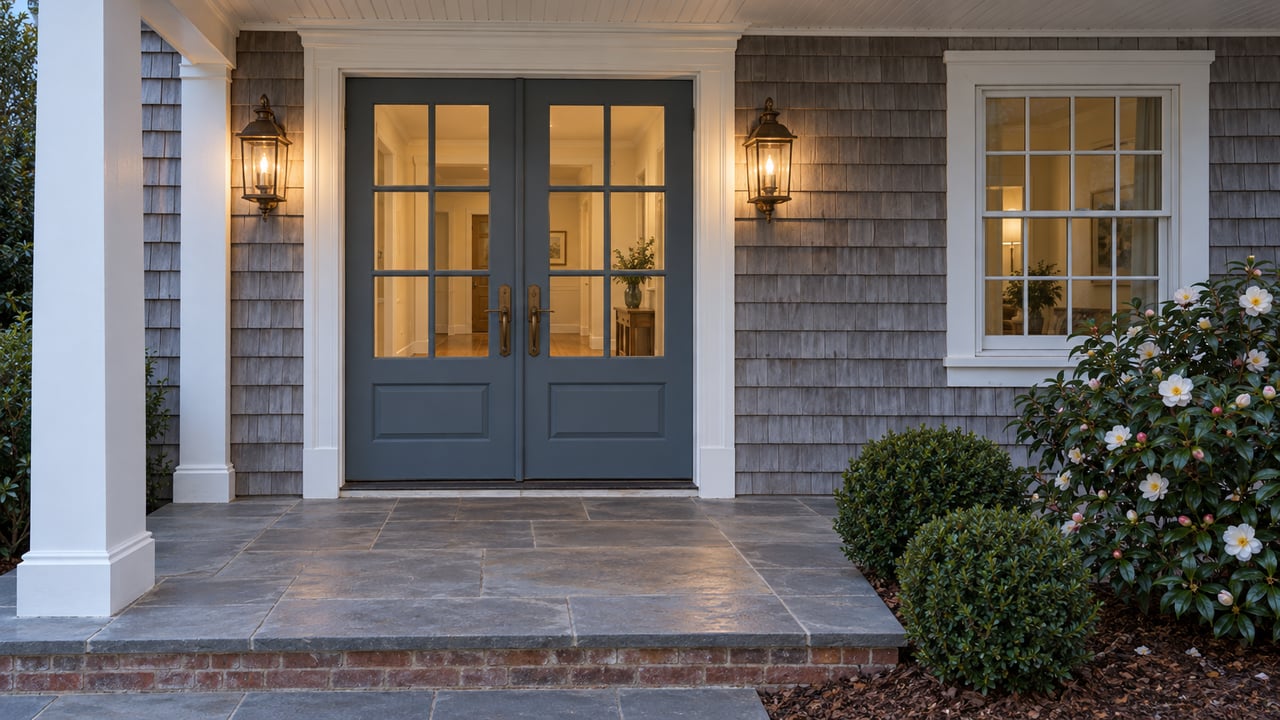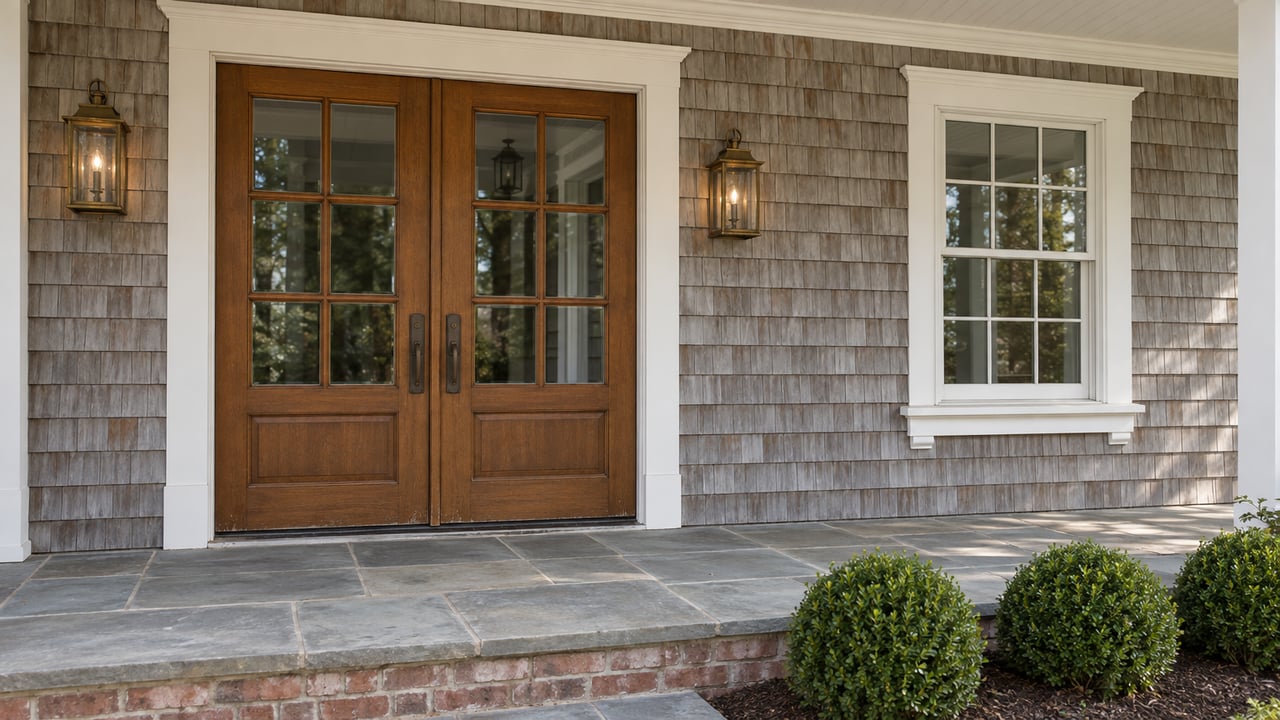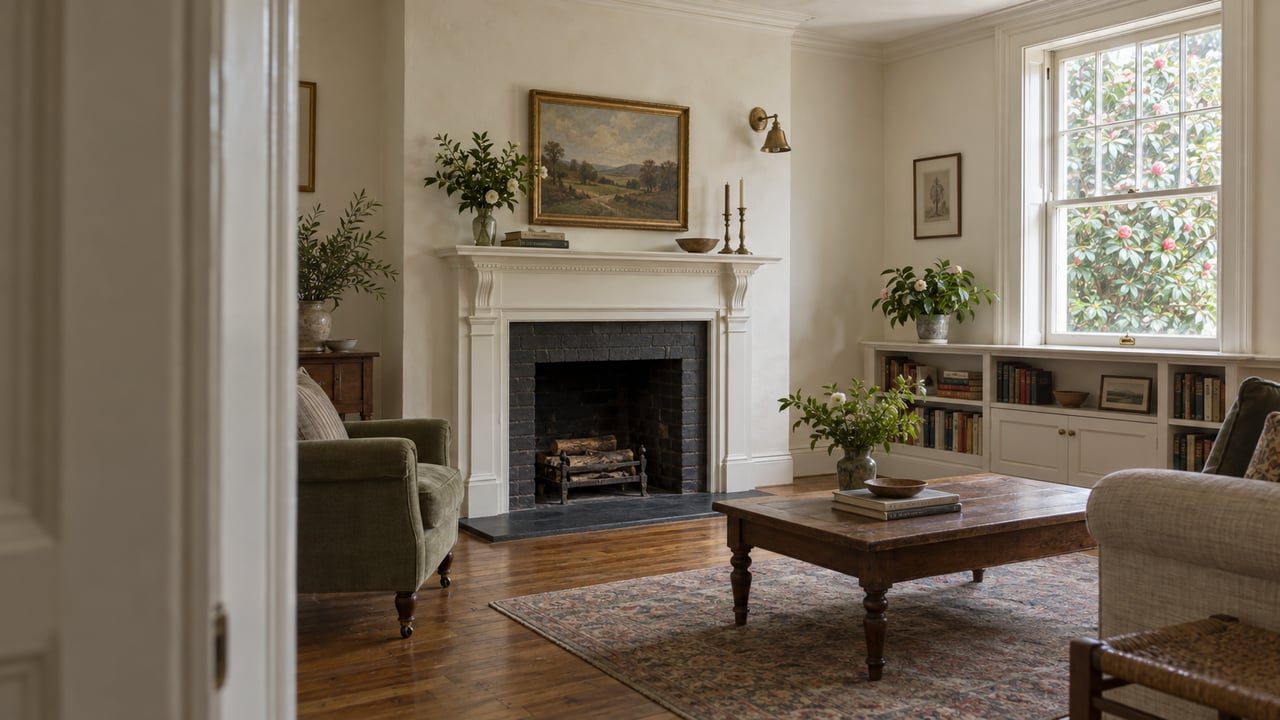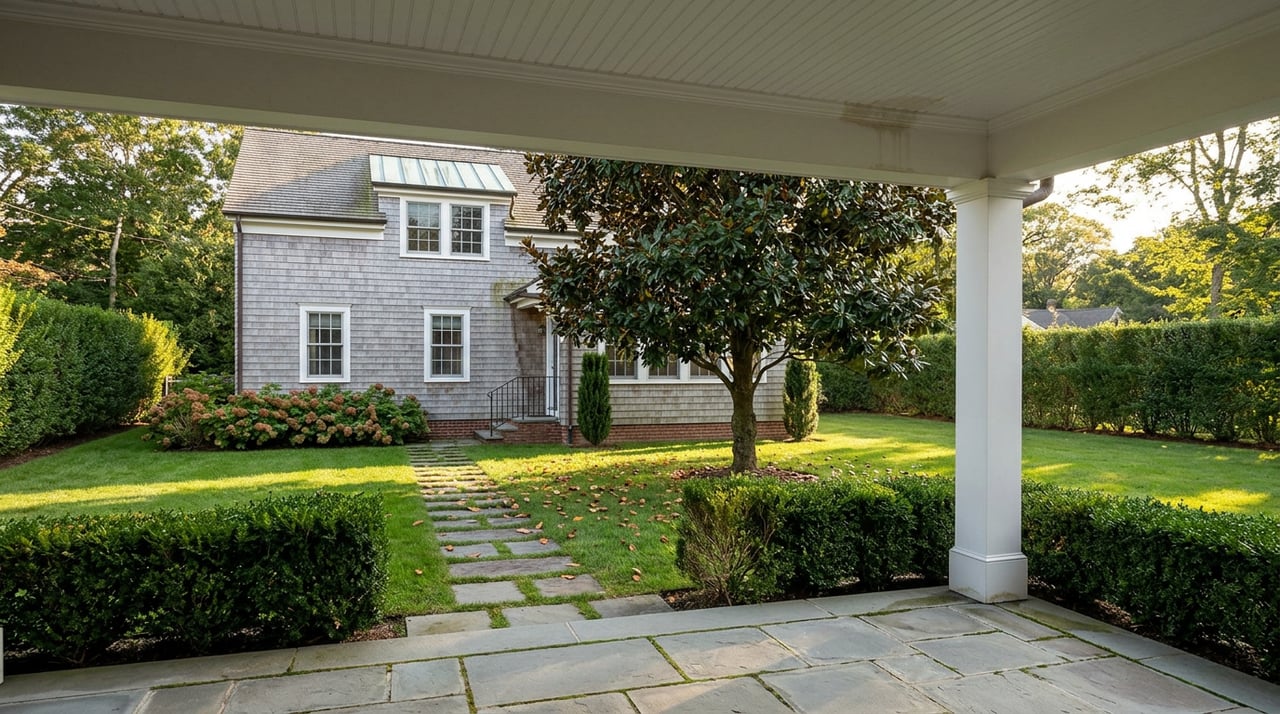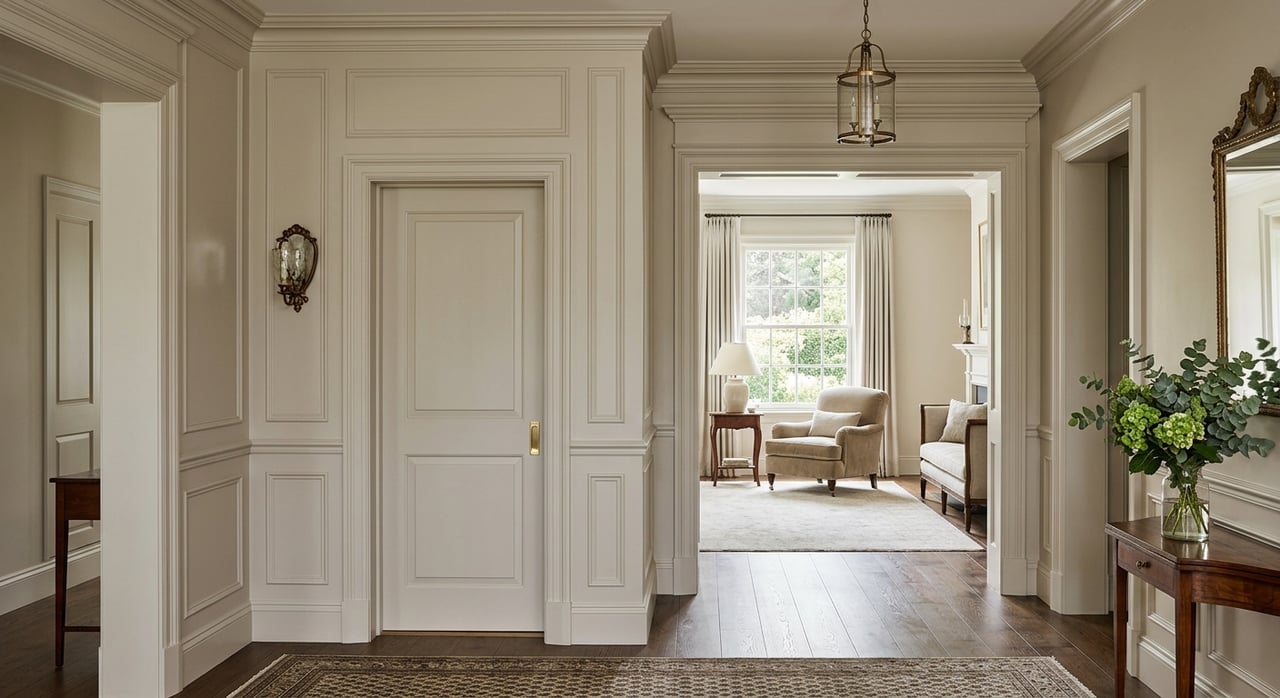
Wondering how to make a classic Myers Park home safer and easier to live in without stripping away the charm that made you love it in the first place? You are not alone. In a neighborhood known for traditional architecture, mature streetscapes, and older homes, aging-in-place planning works best when it feels thoughtful, subtle, and true to the house. This guide walks you through the upgrades that matter most, what to phase first, and how to plan improvements that support long-term comfort while respecting your home’s character. Let’s dive in.
Why Aging in Place Fits Myers Park
Myers Park is especially well suited for this conversation because so many homes were built with strong architectural identity and long-term ownership in mind. According to the National Register documentation, the neighborhood began in 1911 as Charlotte’s premier streetcar suburb, and its historic identity is closely tied to curving streets, mature willow oaks, and traditional architecture.
That context matters when you plan renovations. The same report notes that 78% of structures within the district boundaries contribute to the area’s historic character, and 66% are at least 50 years old. In practical terms, many homeowners want updates that improve safety and daily function without changing the look of the front elevation, porch, roofline, or interior details.
County housing patterns reinforce that mindset. Mecklenburg County reports that 12.5% of residents are age 65 or older, 55.1% of housing units are owner-occupied, and the median value of owner-occupied homes is $406,800. That makes long-range renovation planning feel less like a short-term fix and more like a smart investment in usability, quality, and resale sensitivity.
Start With Low-Disruption Safety Upgrades
The best first upgrades are often the least invasive. They reduce fall risk, improve day-to-day comfort, and usually preserve the visual character of the home.
The CDC reports that falls are the leading cause of injury for adults 65 and older, and more than one in four older adults falls each year. That is one reason small changes can have an outsized impact.
Improve Entry and Circulation
If your home has steps at every entrance, a step-free or zero-step entry can be one of the most valuable improvements. It makes everyday movement easier now and can become essential later.
Inside the home, smoother circulation matters just as much. Wider doorways, lower thresholds, and better hallway flow can help you move more comfortably through the spaces you use most.
AARP and the CDC also point to common trouble spots that are easy to overlook. Broken or uneven steps, throw rugs, cluttered walk paths, and poor lighting are all known fall risks.
Focus on Simple Hardware Changes
Sometimes the most helpful upgrades are also the least visible. Lever-style door hardware is easier to use than traditional knobs, especially if grip strength changes over time.
Handrails on both sides of the stairs can also improve confidence and safety without changing the look of the house in a major way. In a Myers Park home, details like these can often be integrated with care so they feel natural, not added on.
Make Lighting Work Harder
Better lighting is one of the clearest ways to improve safety without altering the architecture. AARP recommends bright landscape lighting for sidewalks, pathways, and porches, while the CDC advises adding more or brighter light bulbs inside the home.
This can include clearer lighting at exterior walks, brighter stair lighting, and stronger illumination in halls, bathrooms, and entries. When done well, the result feels elegant and practical at the same time.
Prioritize Main-Level Living
For many homeowners, the most important long-term goal is reducing reliance on stairs. AARP identifies several baseline features of an age-ready home, including a step-free entry, a bed and bath on the first floor, and at least one bathroom with grab bars and a built-in shower seat.
In a multi-level Myers Park house, that often means planning for a main-floor primary suite. This is not always a small project, but it can be one of the most valuable ways to extend how long your home works for you.
Consider a First-Floor Bedroom and Bath
If your current layout has all bedrooms upstairs, creating a first-floor sleeping area and full bath can add flexibility long before it becomes a necessity. It can also make your home more comfortable for guests or family members who prefer to avoid stairs.
This type of project usually takes careful planning to fit naturally within the existing architecture. In a neighborhood with so many older homes, success often comes from making the new layout feel like it always belonged there.
Treat Elevators as a Major Project
AARP notes that home elevators are part of today’s aging-in-place market, but they should be viewed as a higher-complexity option. Unlike cosmetic changes, an elevator is a structurally involved project that needs serious planning.
For that reason, many homeowners start with more immediate circulation and bathroom improvements first. Then, if needed later, they can evaluate whether vertical access should become part of a larger renovation plan.
Upgrade Bathrooms With Subtle Accessibility
Bathrooms are one of the smartest places to invest because they combine tight movement, wet surfaces, and daily use. They also offer some of the highest-value aging-in-place improvements.
AARP recommends features such as doorless roll-in showers with flat, no-step thresholds, built-in shower benches, hand showers, and well-integrated grab bars. The key for Myers Park homeowners is that these elements can be designed to look refined and cohesive rather than clinical.
Choose Features That Blend In
A well-designed accessible bathroom does not have to look institutional. Grab bars can be selected and placed so they feel visually consistent with the bath’s fixtures and finishes.
A built-in bench can read like a custom design feature instead of a medical add-on. A flat shower entry can also improve function while keeping the space clean, calm, and visually open.
Think About Daily Comfort
Bathroom planning is not only about future mobility. It is also about making daily routines easier and safer right now.
Features like better lighting, easier shower access, more stable footing, and improved fixture usability can support comfort at any age. That is especially true in older homes where original layouts may not reflect how you want to live today.
Preserve Character While Improving Function
In Myers Park, good aging-in-place design is not about making a historic home feel generic. It is about preserving the gracious qualities of the house while improving how it performs.
That approach aligns with the neighborhood’s documented character. The National Register materials emphasize traditional architecture, historic streetscapes, and landscape relationships, which is why preservation-minded planning is such an important part of the process.
Keep Exterior Changes Thoughtful
When access improvements affect the outside of the home, subtle design matters. A new entry solution should work with the house, not compete with it.
That often means protecting the visual balance of the front elevation, preserving porch character, and minimizing disruption to the way the home relates to the street and landscape. In many cases, the best answer is the one that solves the problem while staying visually quiet.
Respect Original Interior Details
Inside the home, aging-in-place upgrades should support the existing architectural language whenever possible. That can include preserving trim relationships, maintaining room proportions, and choosing materials and finishes that feel appropriate to the age and style of the house.
In a classic Myers Park setting, subtlety usually creates the strongest result. The goal is a home that functions better without feeling noticeably altered.
Know the Permit and Review Steps
Before work begins, it is important to understand which approvals may apply. Mecklenburg County Code Enforcement issues building, electrical, plumbing, and mechanical permits for residential work involving new construction, alteration, repair, movement, removal, or demolition.
The City of Charlotte separately reviews zoning for certain residential projects, including additions, detached accessory structures, accessory dwelling units, decks, retaining walls, pools, solar panels, and similar work. If your aging-in-place project expands the footprint or changes the exterior, that review process may shape the timeline.
Historic District Review May Apply
If your property is within a Charlotte local historic district, a Certificate of Appropriateness is required before exterior work begins. The city states that this applies to exterior alterations, restoration, new construction, moving, demolition, and some site work or landscaping.
The city also advises owners to consult staff before exterior work or tree removal, while normal in-kind repairs usually do not require approval. That distinction matters if your project includes exterior ramps, entry changes, additions, or site adjustments.
Match the Scope to the Right Professional
Not every project requires the same level of construction support. AARP notes that a handyman may be appropriate for small jobs such as grab bars or replacing a toilet, while widening doorways, adding ramps, and structural changes call for a general contractor.
For larger aging-in-place renovations in Myers Park, that builder-led approach is often the right fit. It helps coordinate design, permitting, craftsmanship, and project sequencing in a way that protects both the house and your investment.
Phase the Work Instead of Doing Everything Now
One of the most useful insights from AARP is simple: do not try to do the whole project at once. Instead, prioritize the changes you are most likely to need in the near future.
That phased strategy works especially well in Myers Park homes, where renovation decisions often need to balance architecture, comfort, timing, and budget. You can make meaningful progress now without committing to every possible future change.
A smart sequence often looks like this:
- Start with lighting, rugs, thresholds, and stair safety
- Add lever hardware and bathroom support features
- Create one accessible entry
- Plan for a first-floor bed and bath if the layout allows
- Evaluate major structural work, such as an elevator, only if and when it becomes necessary
This kind of plan gives you flexibility. It also helps you make decisions with intention rather than reacting under pressure.
If you are thinking about aging-in-place upgrades for a Myers Park home, the best results usually come from a clear plan, careful detailing, and a builder who understands both neighborhood character and construction logistics. To explore a thoughtful, design-conscious approach, Carolina Precision Builders can help you evaluate the right next steps for your home.
FAQs
What aging-in-place upgrades are most useful in a Myers Park home?
- The most useful early upgrades are often better lighting, safer stair handrails, lower thresholds, lever door hardware, secured or removed rugs, and one step-free entry.
What bathroom changes help with aging in place in older homes?
- High-impact bathroom upgrades include a no-step shower entry, built-in shower bench, hand shower, improved lighting, and well-placed grab bars that blend with the room’s design.
What first-floor features matter most for aging in place?
- A first-floor bedroom and full bathroom are among the most important long-term features because they reduce reliance on stairs and make the home easier to use over time.
What permits may be needed for aging-in-place renovations in Mecklenburg County?
- Mecklenburg County issues residential building, electrical, plumbing, and mechanical permits for many types of alteration and repair work, and City of Charlotte zoning review may also apply depending on the project scope.
What historic review rules can affect exterior work in Myers Park?
- If a property is in a Charlotte local historic district, exterior work may require a Certificate of Appropriateness before construction begins, especially for alterations, additions, demolition, or some site work.
What projects need a contractor instead of a handyman for aging-in-place work?
- Small tasks like installing grab bars may fit a handyman, but door widening, ramps, structural layout changes, and major bathroom or access renovations typically call for a general contractor.