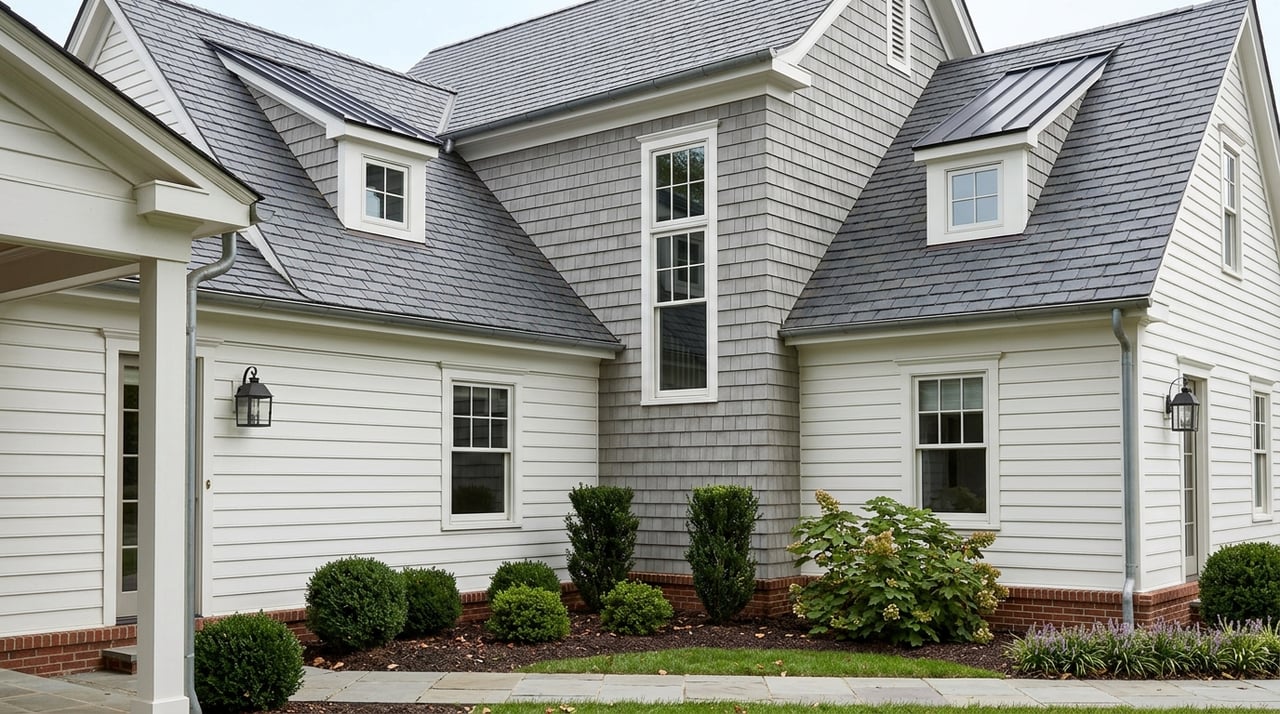
Thinking about adding a second story to your Dilworth bungalow? It can be a smart way to gain space without leaving a neighborhood you love, but in Dilworth, this kind of project is about more than square footage. You need to balance historic-district rules, structural realities, and livable design decisions from the very start. If you understand the process early, you can make better choices and avoid costly redesigns later. Let’s dive in.
Why Dilworth bungalows need a careful approach
Dilworth is one of Charlotte’s local historic districts, with a streetscape shaped by its early suburb pattern, curved roads, narrow lots, and homes that sit close to the street with deeper rear yards. That context matters because your addition is not judged only by how much space it adds. It is also judged by how well it fits the historic form of the house and the street.
For most bungalows in Dilworth, the biggest question is not whether you can add space. It is whether the new mass stays visually subordinate to the original house. In many cases, rear or set-back second-story additions are more compatible than widening the front or raising the most visible roofline.
Start with historic-district rules
Before exterior work begins in Dilworth, you need a Certificate of Appropriateness, often called a COA. The City of Charlotte also says you should consult staff before exterior work, including some site work and tree removal, because review may be required even when a building permit is not.
That is why the first step is confirming how your home sits within the district and how visible the proposed work will be from the public right-of-way. A concept that looks reasonable on paper can become much harder to approve if it changes the front-facing character of the bungalow.
What the city generally favors
Charlotte’s historic district design standards favor additions that:
- Sit toward the rear elevation
- Read as smaller and subordinate to the original house
- Maintain the home’s original orientation
- Keep the existing roof pitch
- Use compatible massing, form, scale, roof form, materials, and window patterns
The standards also note that additions that are no taller or wider than the existing building and increase square footage by 50 percent or less are typically eligible for administrative approval. That can matter for timing, because administrative applications are rolling, while full commission COA applications follow a monthly deadline and meeting cycle.
Why front roof changes are tougher
In Dilworth, a full roof raise that changes the original roof visible from the street is usually a harder path. The standards specifically say the original roof visible from the public right-of-way should not be raised.
That is why a rear-set second story or partial upper-level build-out is often the most practical direction. It usually does a better job of preserving bungalow character while still creating useful living space upstairs.
Can your bungalow support a second story?
This is one of the first real feasibility tests. Under North Carolina’s current code framework used in Charlotte review, if an addition increases the design gravity load on an existing gravity load-carrying structural element by more than 10 percent, that element must be strengthened, supplemented, replaced, or otherwise altered as needed.
In plain terms, a second story is not just a framing project above your ceiling. It puts new demands on the entire load path, from the new floor and walls down through the existing structure and into the foundation.
Key structural questions to answer early
A solid early review usually focuses on:
- Foundation capacity
- Load-bearing wall locations
- Existing roof framing
- How the new floor loads transfer to the ground
- Whether the addition is structurally independent or tied into the existing house
If the addition is not structurally independent, the combined building and addition also have to meet lateral-load requirements. That is one reason these projects benefit from structural planning at the beginning, not after the design is mostly complete.
Stair placement shapes the whole plan
In many bungalow additions, the stair is the first-floor decision that affects everything else. A code-compliant stair to a new second floor generally needs 36 inches of clear width, 6 feet 8 inches of headroom, risers no taller than 8 1/4 inches, treads at least 9 inches deep, and landings at least as wide as the stair.
Those dimensions take up more space than many homeowners expect. In a compact bungalow footprint, the stair can influence room layout, circulation, storage, and how much of the original first-floor character you can preserve.
Why the stair should come before room-by-room design
It is tempting to start with a wish list for bedrooms, bathrooms, or a bonus room upstairs. In practice, the stair location often decides what is actually possible without forcing awkward first-floor changes.
A well-planned stair can help the addition feel natural. A poorly placed stair can make the original house feel chopped up, even if the second floor itself looks good on paper.
Bedrooms, windows, and safety planning
If your new second story includes sleeping rooms, each one needs an emergency escape and rescue opening. Under the residential code, that opening must provide at least 4 square feet of net clear openable area, with a minimum clear height of 22 inches, a minimum clear width of 20 inches, and a sill no more than 44 inches above the floor.
That makes window planning about more than curb appeal. Window size, shape, and placement have to work with both the exterior design and the interior bedroom layout.
Carbon monoxide alarms matter too
When a permitted addition or interior alteration adds sleeping rooms in an existing dwelling, carbon monoxide alarms are also required. That means bedroom layout, stair landings, egress windows, and alarm locations should be planned together.
Treating these as separate decisions can create avoidable revisions later. Coordinated planning tends to make both the design and permit process smoother.
HVAC and insulation are part of the design
A second-story addition is not only about framing and finishes. New roof assemblies and any new heating, cooling, or duct systems that are part of the alteration must comply with current energy and mechanical requirements. If construction opens exposed cavities, insulation upgrades may also be required.
This is why upper-level additions usually work best when mechanical planning starts at the same time as stair and bedroom planning. Waiting too long to address duct routes or equipment needs can limit layout options or lead to changes after drawings are already far along.
The approval path in Charlotte
For a Dilworth bungalow, review is layered. Historic review is only one part of the process.
Charlotte’s zoning team manages residential additions, and additions require city LDIRL review along with the Mecklenburg County building permit. Once plans are approved, city staff release engineering, urban forestry, and historic-district holds if those apply.
What the review timeline can look like
Residential review generally moves through Accela with a gateway stage of about 3 business days and a review stage of about 7 business days. COA timing can vary more depending on whether your project qualifies for administrative review or needs full commission review.
That is why early coordination matters so much. If your design crosses the 50 percent expansion threshold or significantly affects the visible front elevation, your review path may become more involved.
A practical planning sequence for Dilworth
For most homeowners, the smoothest approach follows a clear order. In a historic district, sequence matters.
A smart order of operations
- Verify your home’s historic-district status and likely COA path
- Test structural capacity early
- Decide where the stair can go
- Sketch bedroom layouts and egress window locations
- Coordinate HVAC, duct routing, and insulation needs
- Submit COA and permit applications
This order reflects how design, code, and local review actually interact in Charlotte. It also helps reduce the risk of spending time on a plan that later runs into structural or approval problems.
What usually makes a strong Dilworth solution
The most defensible second-story additions in Dilworth tend to protect the historic street view first. They keep the new work visually secondary, avoid overpowering the original bungalow form, and place added mass toward the rear where possible.
That does not mean every project looks the same. It means the best outcomes usually come from a design process that respects both the house and the district before chasing maximum square footage.
For homeowners who value architecture, neighborhood context, and long-term investment, that approach often leads to a result that feels more natural and holds up better over time. In a neighborhood like Dilworth, thoughtful restraint is often what makes an addition feel right.
If you are weighing a second-story addition, the most helpful next step is to evaluate your house as it actually exists: its lot, roofline, structure, and approval path. Carolina Precision Builders brings owner-led oversight, neighborhood experience, and a process-minded approach to complex renovations in Charlotte. Request a complimentary project consultation.
FAQs
What is the first step for adding a second story in Dilworth?
- The first step is confirming your home’s historic-district context and whether the exterior work will require a Certificate of Appropriateness before you move into full design.
Why are rear-set additions more common on Dilworth bungalows?
- Charlotte’s historic district standards favor additions that are subordinate to the original house and placed toward the rear, which often makes rear-set second stories easier to align with Dilworth’s streetscape.
Can an existing bungalow structure handle a new second floor?
- It depends on the foundation, load-bearing walls, roof framing, and the full load path, which is why early structural review is one of the most important parts of feasibility.
How much does stair placement affect a bungalow addition?
- Stair placement can shape the entire first-floor layout because code requires specific width, headroom, tread, riser, and landing dimensions that take up meaningful space in a compact home.
Do new upstairs bedrooms in a Dilworth addition need special windows?
- Yes, new sleeping rooms need emergency escape and rescue openings that meet code minimums for clear opening area, height, width, and sill height.
Will a second-story project in Dilworth involve more than one approval?
- Yes, these projects can involve historic review, zoning review, city LDIRL review, and the Mecklenburg County building permit process, depending on the scope.