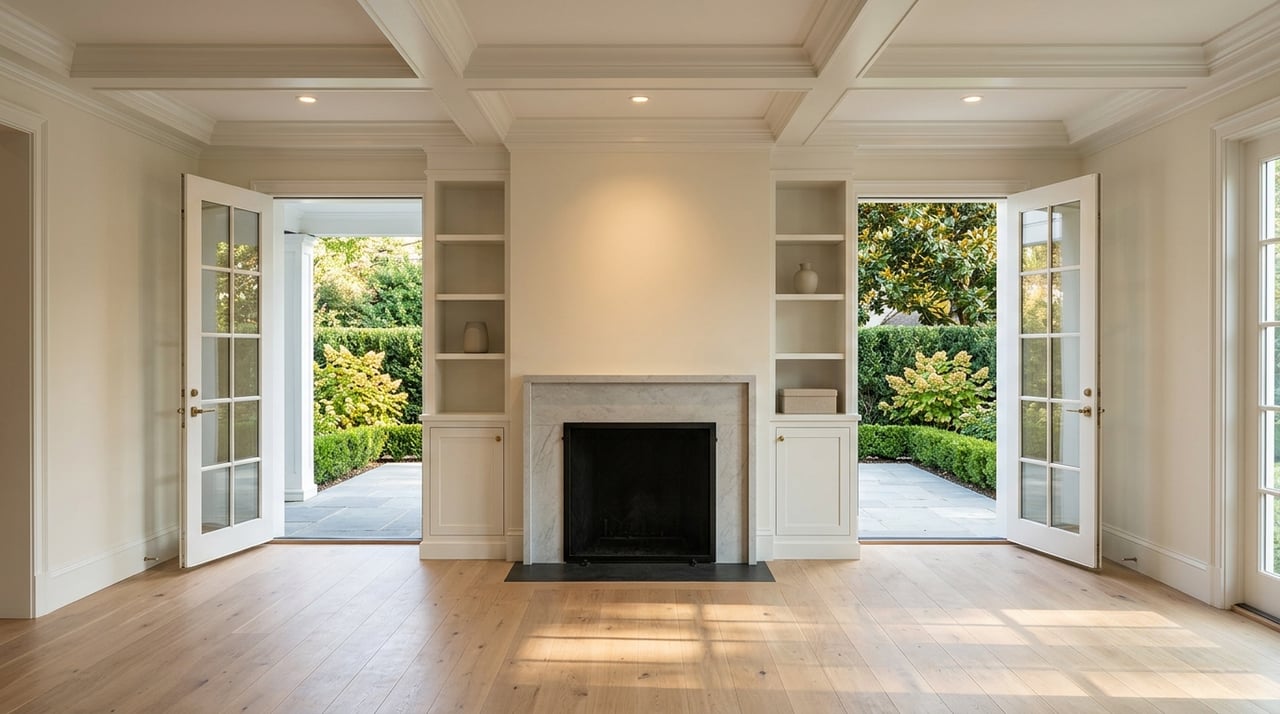
If you wait until drawings are nearly finished to bring your builder into the conversation, you may already be making Myers Park harder and more expensive than it needs to be. In a neighborhood known for historic character, mature trees, and closely watched exterior changes, small coordination gaps can turn into redesigns, permit delays, and budget surprises. When your architect and builder align early, you get clearer decisions, better pricing feedback, and a smoother path through local review. Let’s dive in.
Why early alignment matters in Myers Park
Myers Park is not a plug-and-play building environment. The neighborhood’s historic significance is tied to traditional architecture, curving streets, mature tree cover, and how homes relate to the street and site. That means your project team needs to think beyond floor plans and finishes from the very beginning.
In practical terms, your architect and builder should be aligned on massing, site response, exterior design, and likely approval constraints before the design gets too far. In Myers Park, those factors can shape cost, timeline, and even what is feasible on a specific lot. Early coordination helps you avoid making big decisions in isolation.
Historic district rules can affect the plan
One of the most important first steps is confirming whether your property falls within a local historic-district area that requires exterior review. In Charlotte, a Certificate of Appropriateness is required before exterior work begins in a local historic district. That review can apply to new construction, exterior alterations, demolition, landscaping, tree removal, and some site work.
Because Myers Park includes at least one local historic-district subsection, you do not want to assume your parcel is or is not affected. Your team should verify that status early. If review is required, it should shape the design schedule and the order of decisions from day one.
Choose a collaboration model early
There are several common ways architects and builders work together. In design-bid-build, you hire an architect first, complete the drawings, and then contractors bid the job. In design-build, one entity handles both design and construction. In integrated project delivery, collaboration begins early and continues across the full project team.
For Myers Park projects, the exact contract structure matters less than whether the right people are talking early enough. Even if you use separate contracts, an early preconstruction phase can be valuable. That gives your architect, builder, and interior designer a chance to review the same assumptions before revisions become expensive.
What early preconstruction helps solve
When your team meets early, you can answer the questions that often create friction later, such as:
- What is the real construction budget for this scope?
- Which exterior decisions may trigger historic review?
- How might tree preservation affect layout, grading, or access?
- When should builder pricing be checked against the design?
- Who is managing city and county submittals?
- How will finish selections and allowances be tracked?
Those conversations are not just administrative. They directly affect design quality, schedule confidence, and your ability to make decisions without constant backtracking.
Budget gets clearer when builder input starts sooner
Architectural design and construction pricing should inform each other. The earlier your builder weighs in, the easier it is to match your goals with a realistic budget. That is especially important in a detail-driven neighborhood where site conditions, exterior expectations, and approval requirements can all affect cost.
Early builder involvement can help you prioritize what matters most and reduce the risk of overbuilding. It also gives your team a better way to test cost impacts before the drawings are fully developed. That is usually far easier than cutting scope after the design is already emotionally and financially invested.
Scope decisions that benefit from early pricing
In Myers Park, builder pricing is especially useful when your team is evaluating:
- Additions versus full replacement scope
- Detached garages or accessory structures
- Structural changes tied to remodels
- Outdoor features like pools, retaining walls, or decks
- Site work influenced by grading, access, or trees
- Higher-end finish assumptions that may drift from budget
A calm, disciplined preconstruction process helps you see where to spend with purpose and where to simplify without compromising the project.
Mecklenburg plan review rewards complete submittals
In Mecklenburg County, residential plan review applies to many project types, including new construction, remodels, additions, ADUs, detached garages, and certain structural work. Complete submittals need to identify the designer, architect, or engineer, include square footage, and include all associated trade contractors. Missing information can slow acceptance.
That matters because incomplete coordination is not just inconvenient. It can have direct time and cost consequences. Mecklenburg County also notes that projects requiring three or more building-discipline review cycles incur an hourly fee of $145.
Why this matters for architect-builder alignment
If your architect is developing plans without coordinated builder input, details that seem minor on paper can create review comments later. If your builder is not involved early, trade coordination and scope assumptions may be incomplete at submittal. A shared review before filing can help reduce unnecessary cycles.
For you as the homeowner, that translates into better predictability. You want one coordinated package, not a stack of disconnected decisions moving through review at different times.
Charlotte reviews are layered, not linear
Many homeowners assume permits move through a single office in a simple sequence. In Charlotte, the process is more layered. Residential projects can be reviewed by Storm Water Services, Urban Forestry, and Zoning in Accela before release to Mecklenburg County’s permit system when applicable.
The city’s LDIRL process covers common project types such as single-family homes, ADUs, garages, additions, pools, retaining walls, decks, and detached solar panels. Reported targets are 3 business days for gateway review, 7 business days for review, and 7 business days for subsequent reviews. If your project includes 1 acre or more of land disturbance, erosion control also becomes part of the path.
One coordinator reduces confusion
Because several reviews may overlap, one person on the team should coordinate the overall approval path. That person helps track HDC or COA review if needed, city review steps, urban forestry issues, and county plan review. Without that point of coordination, your architect and builder can end up reacting to constraints after the design is already locked.
For clients, this is where a process-minded builder adds real value. Good coordination is not about taking over the architect’s role. It is about helping the entire team move in the same direction with fewer surprises.
Trees and site work should be discussed early
In Myers Park, mature trees are often part of what makes a property appealing. They can also affect the sequence of design decisions. Charlotte’s tree-preservation rules protect trees in the street right-of-way and on private property, and residential single-lot tree-preservation review can apply to new homes, garages, additions, and similar work.
The city also states that heritage-tree removal requires permitting. In addition, HDC review can apply to landscaping, tree removal, and site work. If your layout, driveway, grading plan, or construction access may affect protected trees, your architect and builder should address that before the design is finalized.
Tree issues can affect more than landscaping
Tree-related constraints can influence:
- Building footprint placement
- Driveway location
- Grading and drainage strategy
- Garage or ADU positioning
- Staging and access during construction
- Exterior review timing
This is one more reason early site coordination matters. What looks like a simple layout choice can trigger broader design and approval changes.
Questions to ask before design is frozen
A strong project starts with clear responsibility. Before your plans move too far, make sure your team can answer a few practical questions.
Team experience questions
- Has the architect, builder, and interior designer worked together on Charlotte historic or infill projects before?
- Who has experience with the review and permitting path common to Myers Park projects?
Process and responsibility questions
- Who is responsible for HDC or COA submissions, city LDIRL steps, county plan review, and tree-related submittals?
- How often will the team meet during preconstruction and permit review?
- What happens if reviewers request revisions?
Budget control questions
- At what design milestone will builder pricing be checked?
- How will allowances, alternates, and owner-requested changes be tracked?
- If the scope includes a driveway, fence, or right-of-way item, who handles any separate approval?
When your team answers these questions early, you create structure before the project gets complicated. That usually leads to better decisions and a more confident building experience.
What alignment looks like in practice
For a Myers Park project, alignment does not mean every decision is made upfront. It means the architect and builder are working from the same set of priorities. They understand your budget, your design goals, your site constraints, and the likely review path before major design work becomes difficult to change.
That kind of collaboration supports both design quality and execution. It helps protect the architectural intent while keeping constructability, cost, and approvals in view. For homeowners investing in a custom home, major renovation, ADU, or detached garage, that balance matters.
A boutique, owner-led builder can be especially helpful here because communication tends to stay close to the project. When oversight is consistent, issues are easier to catch early and easier to solve with the architect and designer at the table. That is often the difference between a stressful project and a disciplined one.
If you are planning a custom home, renovation, ADU, or detached garage in Myers Park, early architect-builder alignment can save time, reduce rework, and protect your investment. To start the conversation with a builder who values process, neighborhood context, and collaborative execution, request a complimentary project consultation with Carolina Precision Builders.
FAQs
How early should a Myers Park builder join the project?
- Ideally, your builder should join during early design or preconstruction so budget, approvals, site issues, and scope assumptions can be reviewed before drawings are expensive to revise.
What approvals might affect a Myers Park exterior project?
- Depending on the property and scope, your project may involve historic-district review through a Certificate of Appropriateness, city residential lot review steps, urban forestry review, and Mecklenburg County plan review.
Why do trees matter on Myers Park construction projects?
- Charlotte’s tree-preservation rules can affect new homes, garages, additions, and similar work, and heritage-tree removal requires permitting, so tree impacts should be reviewed early in design.
What does Mecklenburg County require for residential plan review?
- Residential plan review can require a complete submittal with the designer, architect, or engineer identified, square footage shown, and all associated trade contractors included.
How can you keep architect and builder decisions aligned on a Myers Park project?
- Set clear responsibility for pricing, permits, review comments, allowances, and change tracking, and hold regular preconstruction meetings so everyone works from the same assumptions.