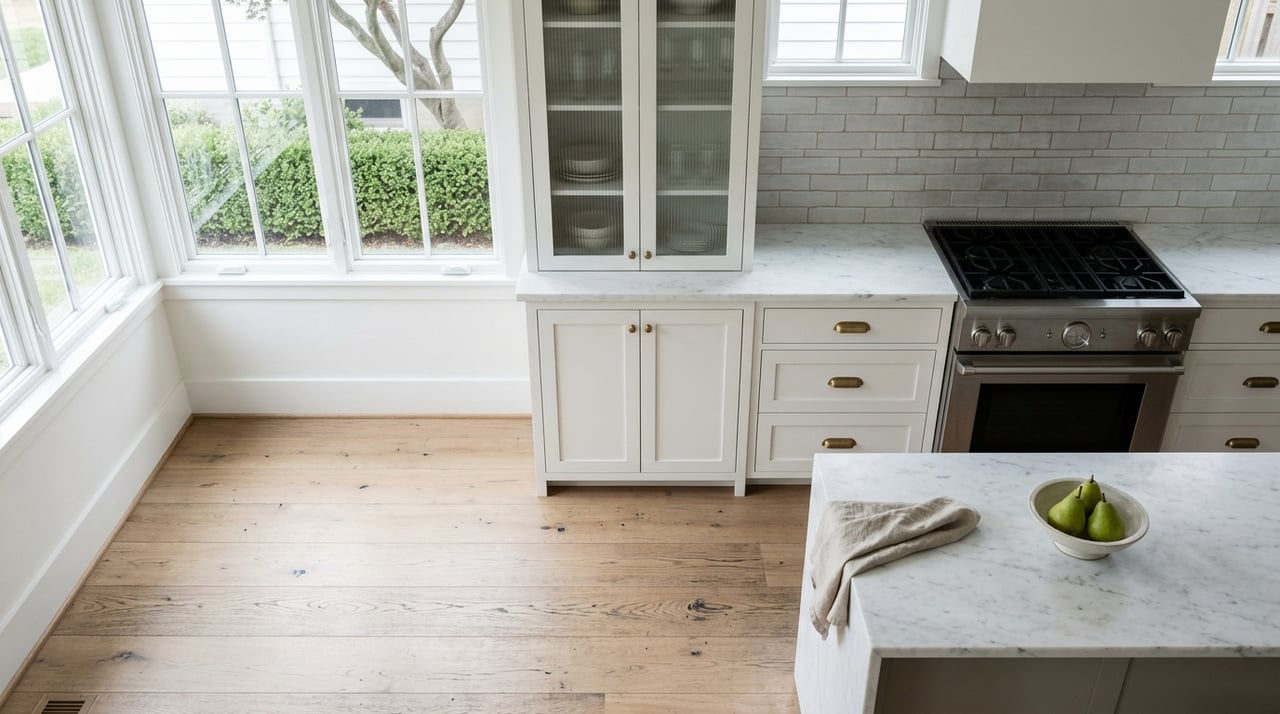
What makes a renovated Dilworth bungalow feel so special day after day? It is not just the finishes inside your home. It is the way historic scale, tree-lined streets, front porches, and nearby parks shape how you live. If you are thinking about updating a bungalow in Dilworth, this guide will help you picture what daily life can look like and what renovation choices tend to fit the neighborhood best. Let’s dive in.
Dilworth living starts with setting
Dilworth has deep roots in Charlotte’s growth. The neighborhood began in the 1890s as the city’s first suburb and was linked to downtown by Charlotte’s first electric streetcar. In the 1910s, the Olmsted Brothers helped shape its expansion, and the curved streets that followed became part of the model for later Charlotte neighborhoods.
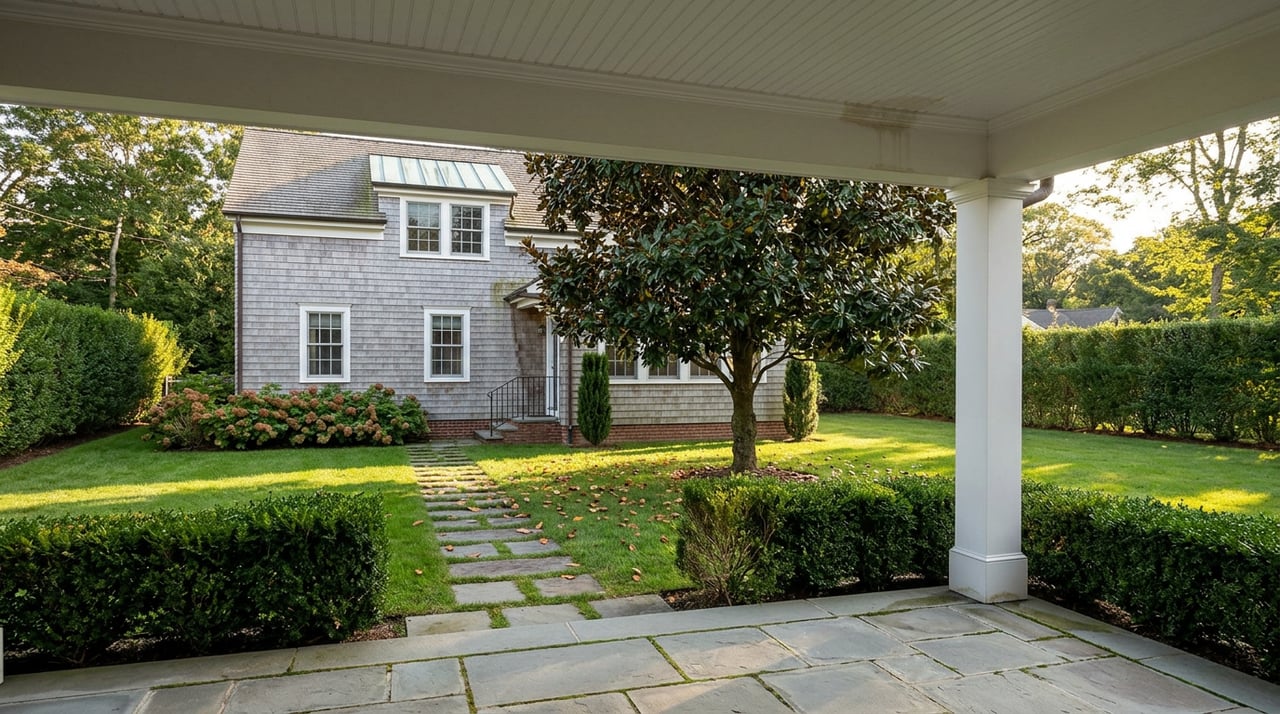
That history still shows up in everyday life. Dilworth is known for wide curving streets, sidewalks, mature landscaping, and large street trees. The result is a neighborhood where the setting does real work, making even a simple walk, porch sit, or bike ride feel connected to the area’s historic character.
Why bungalows fit Dilworth so well
Dilworth’s historic district is not made up of one single house type. Charlotte’s architectural survey describes a mix that includes bungalows, historic-revival homes, quadraplexes, and apartment buildings from the 1920s. Even with that variety, the bungalow remains one of the clearest expressions of the neighborhood’s original scale and rhythm.
When you live in a renovated bungalow here, you are living in a house form that still feels appropriate to the street. The home can be updated for modern comfort while keeping the proportions, porch presence, and roofline that make it feel rooted in Dilworth rather than dropped in from somewhere else.
Everyday life centers on the porch
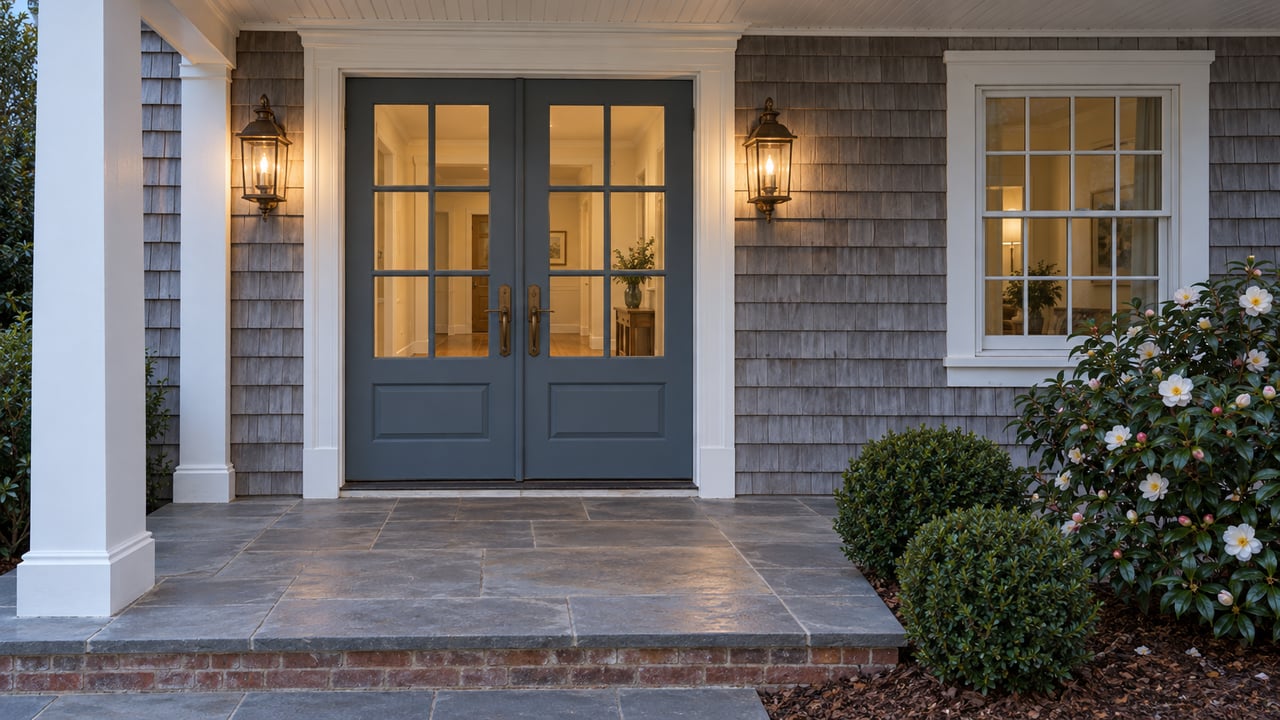
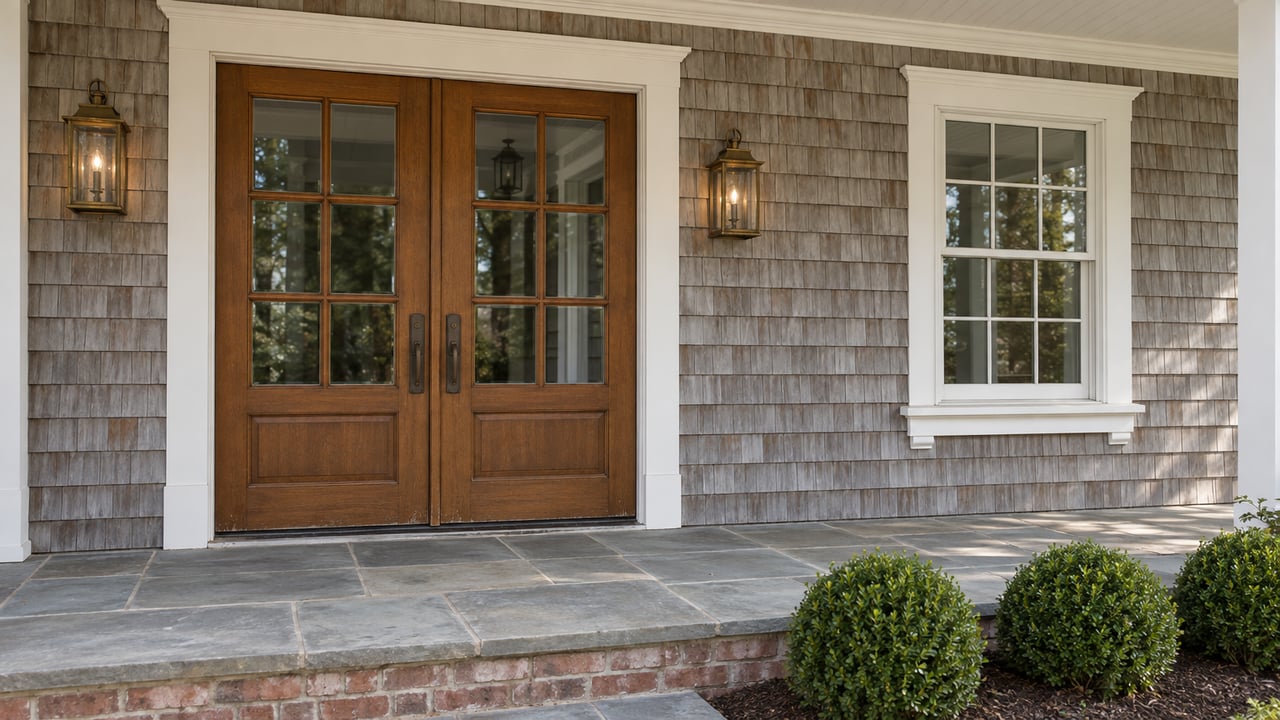
In Charlotte’s historic district guidance, porches are described as a major focus of historic buildings. They are also described as social gathering spaces and a transition between indoors and outdoors. That is a practical detail, but it also says a lot about how daily life works in a Dilworth bungalow.
A front porch gives your home a softer edge. It creates a place to start the morning, wind down in the evening, or pause between the privacy of your interior spaces and the energy of the street. In a neighborhood like Dilworth, that porch can become one of the most used rooms you have, even though it is technically outside.
For many homeowners, that is part of the appeal of renovating rather than replacing. You can improve comfort, layout, and function without losing the feature that helps the house feel naturally connected to its block.
Walkable routines shape the day
Dilworth’s lifestyle is not only about architecture. It is also about how easily daily routines can extend beyond your front door. The neighborhood’s residential blocks connect to nearby commercial corridors like East Boulevard and Park Road, creating a blend of quieter home streets with access to shops, dining, and everyday destinations.
That means your day may not feel fully car-dependent. Depending on where you live in the neighborhood, some errands and outings can happen on foot, by bike, or with transit. That kind of flexibility can make a smaller historic home live much bigger because the neighborhood itself becomes part of your usable space.
Parks and greenways add breathing room
Outdoor access is a major part of everyday living in Dilworth. Mecklenburg County describes greenways as linear parks that support recreation, transportation, fitness, and economic benefits. Little Sugar Creek Greenway runs more than 17 miles from Brevard Street in NoDa to the South Carolina state line, giving residents a meaningful connection to a larger outdoor network.
Freedom Park is also one of Charlotte’s top park destinations, and Latta Park sits at 601 E Park Ave. Tom Sykes Recreation Center is within walking distance of Latta Park. Together, those public spaces add options for exercise, play, and simple downtime close to home.
If you are renovating a bungalow, this matters. A home does not need to carry every lifestyle function within its own walls when the surrounding neighborhood already provides room to move, gather, and recharge.
Transit supports a car-light option
Dilworth also benefits from nearby transit access. CATS’ East/West Blvd Station at 1821 Camden Street includes a covered waiting area, bike racks, and a Route 10 bus connection. For some homeowners, that makes it easier to build a routine that mixes walking, biking, rail, and driving rather than relying on a car for every trip.
This does not mean every household will go car-free. It does mean that a renovated bungalow in Dilworth can support a more flexible lifestyle, which is often one of the biggest advantages of living in an established in-town neighborhood.
Smart renovations keep the front intact
The best Dilworth bungalow renovations usually respect what the street sees first. Charlotte’s design standards say additions should complement the original house, stay small enough not to overpower it, and be located on the rear elevation when possible. They should also remain compatible in massing, form, scale, roof forms, and materials while still being distinguishable from the original structure.
In simple terms, the goal is not to erase the house you bought. The goal is to improve how it lives while keeping the original street-facing identity legible. That is often what separates a thoughtful renovation from one that feels out of place.
Rear additions often solve the right problems
For many bungalow owners, the biggest pressure points are easy to name. Kitchens may feel tight, storage may be limited, and the connection to the backyard may not work as well as you want. In Dilworth, those issues are often best solved with rear or side rework rather than a front-facing overhaul.
A rear addition can create the extra square footage you need while preserving the porch-front character of the house. It can also improve indoor-outdoor flow through a rear porch, deck, or patio. That approach aligns with the city’s guidance and tends to produce a home that feels both more functional and more faithful to the neighborhood.
Original features still matter
Charlotte’s standards also stress keeping original roof shapes, dormers, porches, and other defining architectural elements where possible. Those details help a bungalow read as historic from the street, even when the interior has been substantially updated.
This is where careful planning matters. A successful renovation usually does not chase visible change for its own sake. It focuses on preserving the silhouette and proportions that give the house its identity, then layers modern comfort behind that familiar exterior.
Modern function can still feel authentic
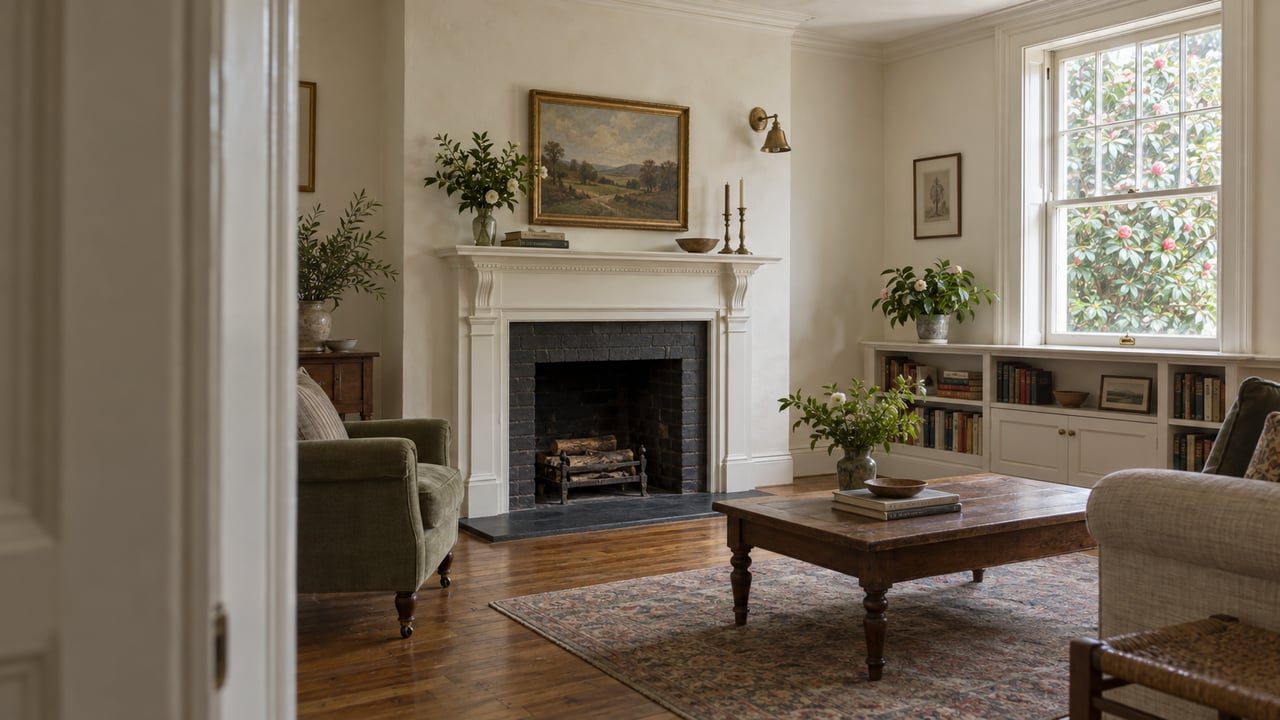
A Dilworth bungalow does not have to stay frozen in time to feel authentic. In fact, some of the best renovations work precisely because they make the home easier to live in now. Better kitchen flow, improved storage, more useful outdoor living, and stronger day-to-day function can all be added without losing the qualities that make the house feel historic.
That balance is where boutique, context-sensitive planning becomes especially important. You want a renovation that feels intentional, not improvised. In a neighborhood like Dilworth, the most successful result is usually a home that lives better inside while still contributing to the mature, porch-centered rhythm of the street.
Historic district review is part of the process
Because Dilworth is a local historic district, exterior work is regulated. The City of Charlotte says a Certificate of Appropriateness is required before exterior alterations, restoration, new construction, moving, or demolition begin. Landscaping or other site work may also require review, and the city says Historic District Commission staff should be consulted before tree removal or other exterior work starts.
This is an important part of planning, not a last-minute detail. If your renovation changes the exterior appearance of the home, your project team should understand that review path early. That helps you make design decisions with the approval process in mind from the start.
Some work needs approval and some does not
Not every project triggers formal review. The city notes that normal repair and upkeep, such as re-roofing with in-kind materials or planting flowers, generally does not require approval. That distinction can make a big difference in both timeline and scope.
For homeowners, the key is clarity. A smaller maintenance item may move quickly, while a visible addition or exterior rework will require a more structured approach. Knowing that difference upfront helps set realistic expectations.
What this means for your renovation
If you are considering work on a Dilworth bungalow, the most productive mindset is to think beyond square footage alone. The real opportunity is to improve how the house lives while protecting the character that makes Dilworth desirable in the first place. That includes porch presence, mature streetscape context, and the clear readability of the original home from the street.
For many homeowners, that means asking practical questions early:
- What parts of the house feel most constrained today?
- Which improvements belong at the rear rather than the front?
- How can outdoor living work harder for everyday use?
- Which original features should be preserved to keep the house grounded in its setting?
- What exterior changes may need historic district review?
Those questions lead to better outcomes than starting with a wish list detached from the neighborhood context. In Dilworth, the strongest renovations tend to be the ones that solve real lifestyle needs while remaining disciplined about what the street sees.
If you are planning a renovation or addition in Dilworth, Carolina Precision Builders offers owner-led guidance, context-sensitive construction, and a transparent process designed for thoughtful Charlotte homeowners.
FAQs
What is everyday life like in a renovated Dilworth bungalow?
- Everyday life often blends historic home character with modern comfort, plus easy access to sidewalks, porches, parks, greenways, and nearby commercial corridors.
What makes Dilworth different from other Charlotte neighborhoods?
- Dilworth was Charlotte’s first suburb and is known for its historic scale, curved streets, mature tree canopy, sidewalks, and mix of bungalow and early 20th-century building types.
What renovation style fits a Dilworth bungalow best?
- Renovations that keep the front of the house legible and place additions toward the rear usually fit best with Charlotte’s historic district design guidance.
What exterior work in Dilworth may need approval?
- In Dilworth, exterior alterations, restoration, new construction, moving, demolition, and some site work may require a Certificate of Appropriateness before work begins.
What home updates may not need historic district approval in Dilworth?
- Normal repair and upkeep, such as re-roofing with in-kind materials or planting flowers, generally does not require approval according to the City of Charlotte.
What neighborhood amenities support daily living in Dilworth?
- Residents benefit from nearby places like Freedom Park, Latta Park, Tom Sykes Recreation Center, Little Sugar Creek Greenway, and access to the East/West Blvd Station.