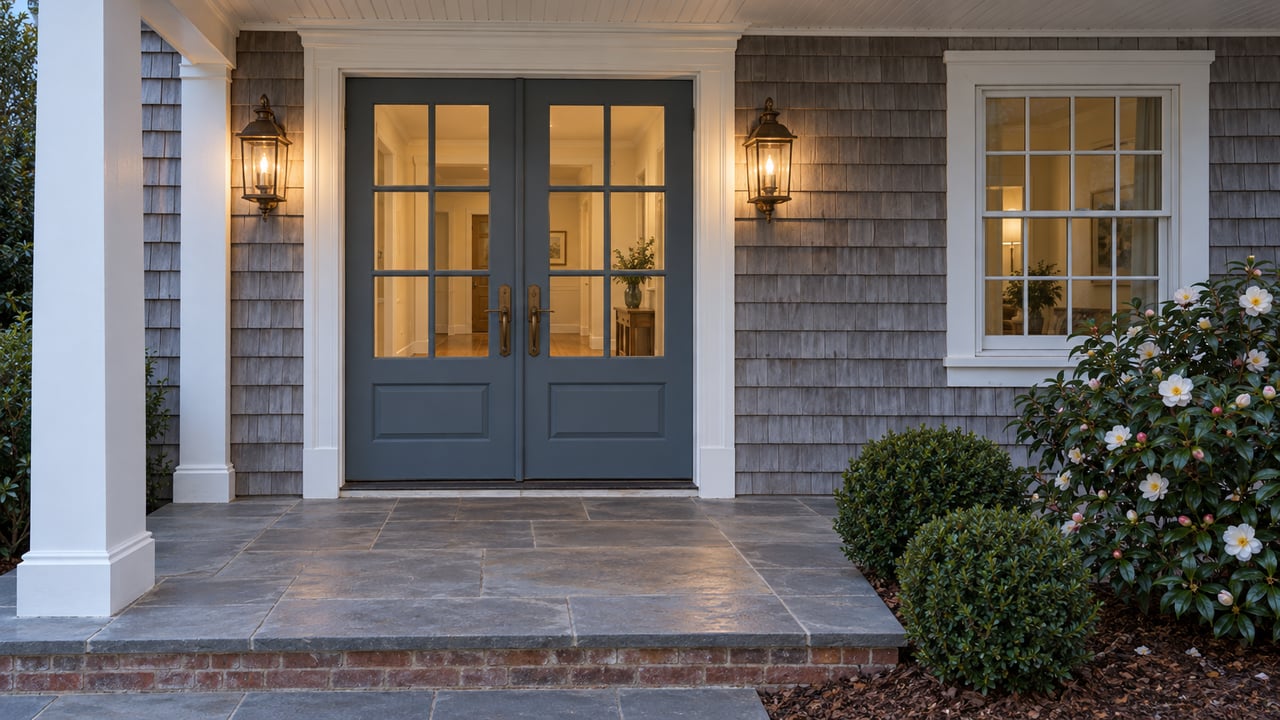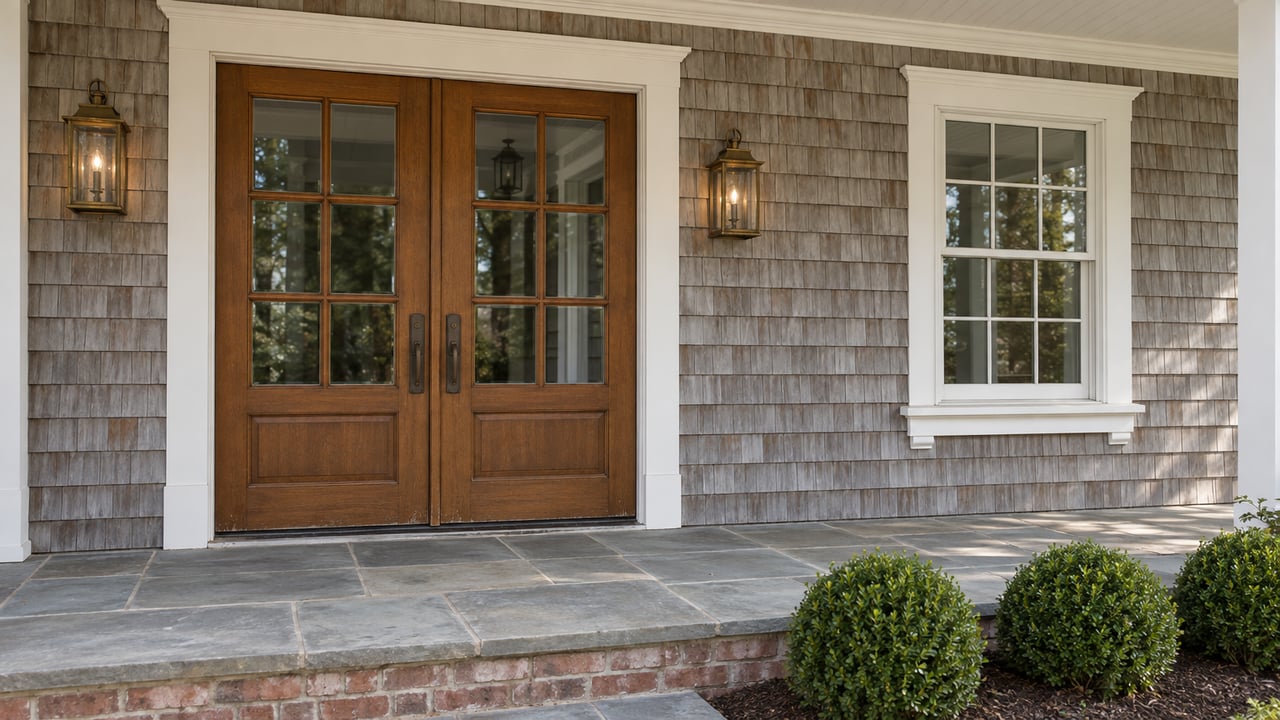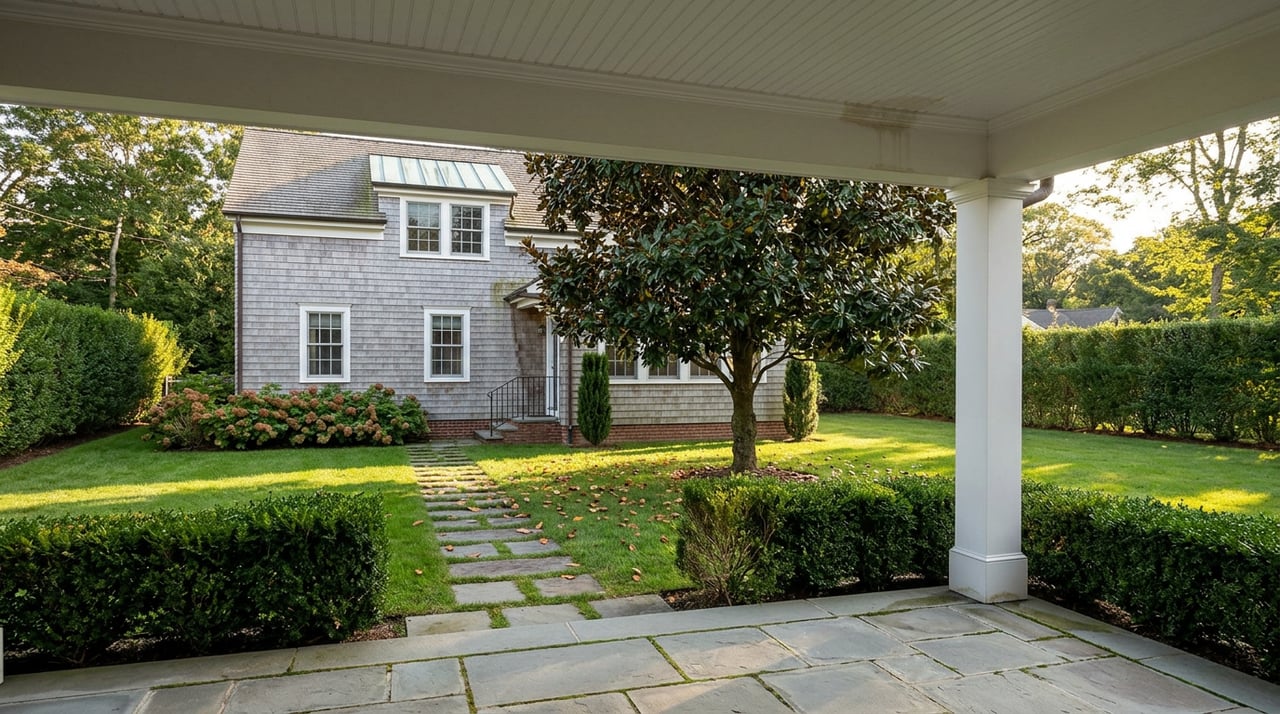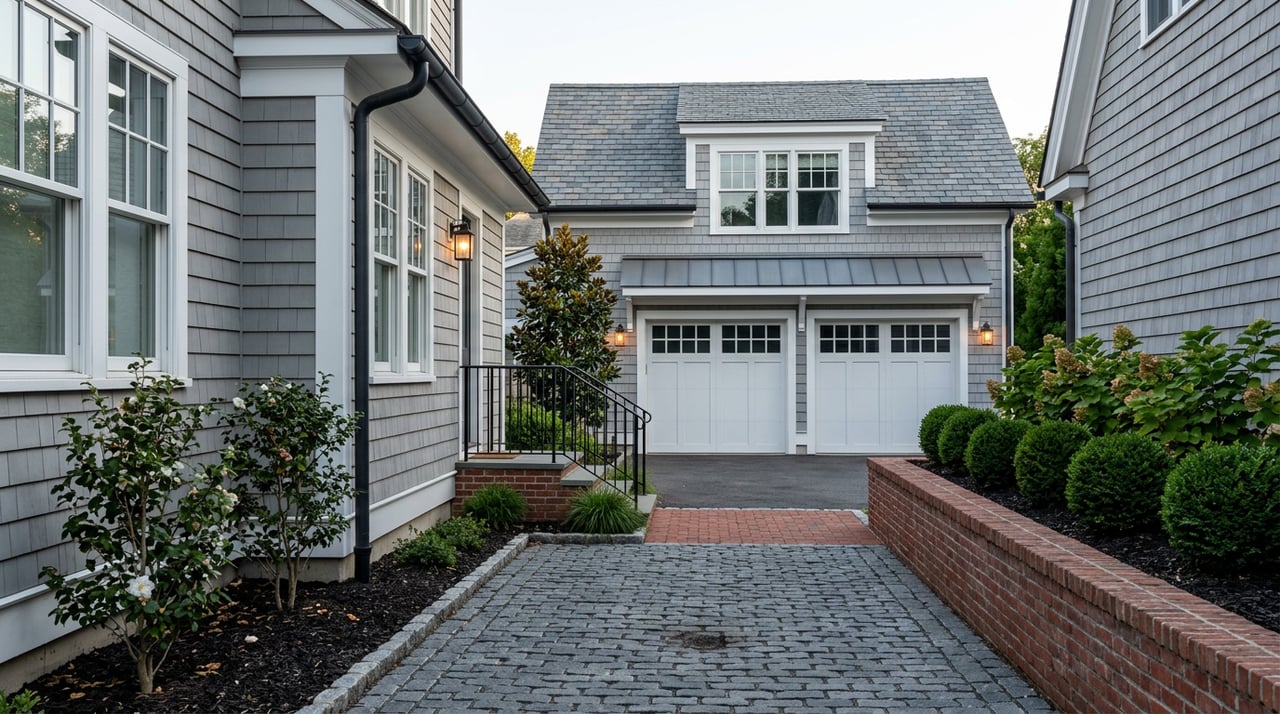
Thinking about adding a carriage house or alley apartment behind your Elizabeth home? You are not alone. Many homeowners want more space for guests, aging parents, or rental income, but they also want to protect the neighborhood’s historic charm. This guide shows you how to plan an accessory dwelling unit that fits Elizabeth’s fabric, meets Charlotte’s rules, and moves smoothly through permitting. Let’s dive in.
What Charlotte allows for ADUs
Charlotte permits ADUs as an accessory to a single-family home and, in certain cases, to duplexes. You are allowed one ADU per lot, and it must stay under the same ownership as the main house. You can confirm these basics in Charlotte’s ADU declaration.
Choose the form that fits your property and goals:
- Interior ADU inside the main home. Charlotte limits interior ADUs to about 40% of the principal dwelling’s floor area and requires independent access. Internal access to the main house typically triggers two-family code requirements. See the City’s permit guidance for details in the accessory structure and ADU packet.
- Detached ADU in an accessory structure. A carriage house or garage apartment can be up to 50% of the principal home’s floor area. Some City forms also cap detached ADUs at 1,000 heated square feet. The ADU cannot exceed the height of the principal dwelling. Confirm the controlling limits on your project using the City’s ADU declaration.
Placement, setbacks, and access
Elizabeth’s historic plats often include alleys and generous rear yards. That makes carriage houses viable when you place them carefully.
- Setbacks and clearance. Accessory-structure ADUs can sit within established rear and side setback areas, but they cannot be closer than the side setback that your zoning district requires. Many small elements like eaves may encroach within limits, and taller structures can trigger larger setbacks. Review the City’s placement rules in the residential accessory structure and ADU standards.
- Alley and driveway rules. The general rule is one shared driveway, but there are specific exceptions. If your lot abuts an alley, is a corner lot, or is a through lot, a separate driveway from the alley or side street is allowed. This is why alley-accessed ADUs work well in streetcar-era neighborhoods. See the exception language in Charlotte’s ADU declaration.
Parking rules in Elizabeth
Parking for ADUs is governed by the Unified Development Ordinance’s Article 19. The City uses a tiered approach by place type, and an ADU often counts as an additional dwelling unit for calculations. Article 19 also offers flexible options like on-street space credits and reductions near transit. There is no single number to quote for every Elizabeth lot, so review Table 19-1 and confirm during zoning review in UDO Article 19.
Historic district context in Elizabeth
Elizabeth is listed on the National Register, which is honorary. A petition for a City-designated Local Historic District was under consideration in 2023, with community input recorded in the City’s packet of public comments. You can read that context in the proposed Elizabeth local district materials.
If Elizabeth is designated as a Local Historic District, adding an ADU becomes a major project that requires a Certificate of Appropriateness. The Charlotte Historic District Commission reviews exterior design, massing, materials, and site context before permits are issued. Start with the HDC’s process overview on the Certificate of Appropriateness page. If there is no local district in place, COA review is not typically required.
Design that fits Elizabeth’s fabric
A well-designed ADU should feel at home on the block without copying the main house. Preservation best practice calls this “compatible but differentiated.” The National Park Service suggests matching massing, scale, and rhythm while keeping the new work visually distinct. You can explore that guidance in the NPS overview on new additions and compatibility.
Here is how that looks on an Elizabeth lot:
- Keep it subordinate. Lower the ridge height below the main house. Use a smaller footprint and simpler massing.
- Echo, do not mimic. Align roof pitches and window proportions so the ADU relates to the house, but vary details so it reads as new.
- Select complementary materials. Use lap siding, brick, or roofing that harmonizes with the main structure’s palette.
- Tuck it into the site. Pull the ADU toward the rear yard or alley. Soften views with landscaping and respect existing trees.
Thoughtful design solves for privacy too. Place windows and entries to reduce direct views into neighboring yards, and plan for screening that complies with City tree and site rules.
Design and permit checklist
Use this quick checklist to shape a feasible plan from day one:
- Confirm zoning and place type. ADU permissibility is broad, but setbacks and parking are tied to your place type. Start with a zoning lookup and review UDO Article 19 for parking approach.
- Use alley access when you can. Lots abutting alleys can add a separate alley driveway, which preserves the historic front yard pattern. Confirm utility routing and stormwater impacts. See the driveway exception in Charlotte’s ADU declaration.
- Keep scale subordinate. Detached ADUs cannot exceed the height of the principal dwelling. Follow City limits and match the neighborhood rhythm using the City’s ADU and accessory standards.
- Mind setbacks and clearance. Accessory-structure ADUs may be located in established rear and side setbacks, but not closer than the required side setback. Taller accessory buildings can require larger setbacks. Confirm your parcel’s requirements in the accessory structure and ADU standards.
- Plan for privacy and trees. Arrange openings to reduce overlook and use screening that respects tree-protection rules. Article 19 and related city standards expect sensitive site planning, so begin coordination early using UDO Article 19 as a parking reference.
- Coordinate utilities and capacity. Plan HVAC placement, electrical service, and water or sewer capacity at the permit stage. The City’s ADU program page has helpful context and support options at the Accessory Dwelling Units resource.
Permitting path and common pitfalls
ADU projects move through two review streams. The City handles zoning and site rules, and Mecklenburg County issues the building permit with building, plumbing, and mechanical inspections. Expect plan review and multiple inspections. Small, incomplete submissions delay approvals. See the City’s overview on zoning and permit intake.
Watch for these common triggers and tripwires:
- Two-family code triggers. If an interior ADU shares internal access with the main home, you can trigger two-family requirements in the NC Residential Code. Many owners choose a detached ADU to avoid this. Charlotte’s accessory structure and ADU packet explains the separation standards.
- Historic approvals. If Elizabeth becomes a Local Historic District, the HDC will treat ADUs as a major project. Reach out for a pre-submittal meeting and follow the COA process.
- Utility and stormwater scope. Small lots sometimes need new taps, stormwater controls, or tree-protection measures. The City’s ADU program page also highlights Queen City ADU funding support for eligible homeowners.
- Cumulative accessory area. The UDO limits the total square footage of non-ADU accessory structures. If you already have large sheds, garages, or outdoor structures, you may need to revise the site plan. See the rule context in the accessory structure and ADU packet.
A builder’s approach for Elizabeth lots
Elizabeth’s historic lots reward careful planning. A strong process keeps design aligned with zoning, prevents code surprises, and protects your investment.
Here is how a well-run ADU project typically flows:
- Site study. Verify zoning, place type, setbacks, and any historic overlay. Confirm existing accessory square footage and tree constraints.
- Concept design. Shape a subordinate massing, confirm height and footprint, and plan privacy. Use alley access when allowed.
- Technical checks. Resolve fire separation, egress, utilities, and HVAC placement. Begin early conversations with Charlotte Water and zoning staff as needed.
- Approvals. If applicable, schedule a pre-submittal with HDC. Submit zoning and Mecklenburg County building permits together for efficient review.
- Build and inspect. Sequence trades to meet inspections without rework. Protect trees and neighbors throughout construction.
Next steps in Elizabeth
If you want your ADU to feel like it has always belonged in Elizabeth, start with the right homework and a team that knows Charlotte’s rules.
- Confirm your parcel’s zoning, place type, and whether any historic overlay applies. Use UDO Article 19 as a parking guide, then verify specifics during zoning review.
- If your property is in or near a proposed historic district, meet with HDC staff and map out the COA steps.
- Commission a current survey and preliminary site plan that shows existing accessory structures and trees. Check cumulative accessory limits using the City’s ADU standards.
- Ask a licensed local builder to run code and utility feasibility checks early.
- Submit zoning and County permits together, and allow time for any COA review. The City outlines intake on the zoning and permitting page.
Ready to talk through your site, goals, and timeline? Reach out to Carolina Precision Builders to request a complimentary project consultation.
FAQs
Can you build a carriage house on an Elizabeth lot?
- Possibly. Charlotte allows detached ADUs where single-family homes are permitted, and separate alley driveways are allowed on lots that abut an alley or meet other criteria. Confirm zoning, setbacks, cumulative accessory limits, and any HDC review using the City’s ADU declaration.
How large can an ADU be in Charlotte?
- Interior ADUs are about 40% of the main home and must be independently accessible. Detached ADUs can be up to 50% of the home and, in some City materials, are capped at 1,000 heated square feet. Confirm the controlling limit in the permit guidance.
Will an ADU need a historic COA in Elizabeth?
- If Elizabeth is a City-designated Local Historic District, yes. The HDC treats ADUs as a major project that requires a Certificate of Appropriateness. If Elizabeth is not an LHD, COA review is not typically required. See the HDC COA process.
Do you need extra parking for an ADU?
- Parking is set by UDO Article 19’s tiered system, and an ADU usually counts as another dwelling unit for calculations. Flexibilities include on-street credits and transit-area reductions. Review UDO Article 19 and confirm during zoning review.
What permits are required to build an ADU?
- Charlotte handles zoning review and Mecklenburg County issues the building permit with inspections. Submit both streams together, and include any required COA if in a local historic district. Start with the City’s zoning and permitting overview.