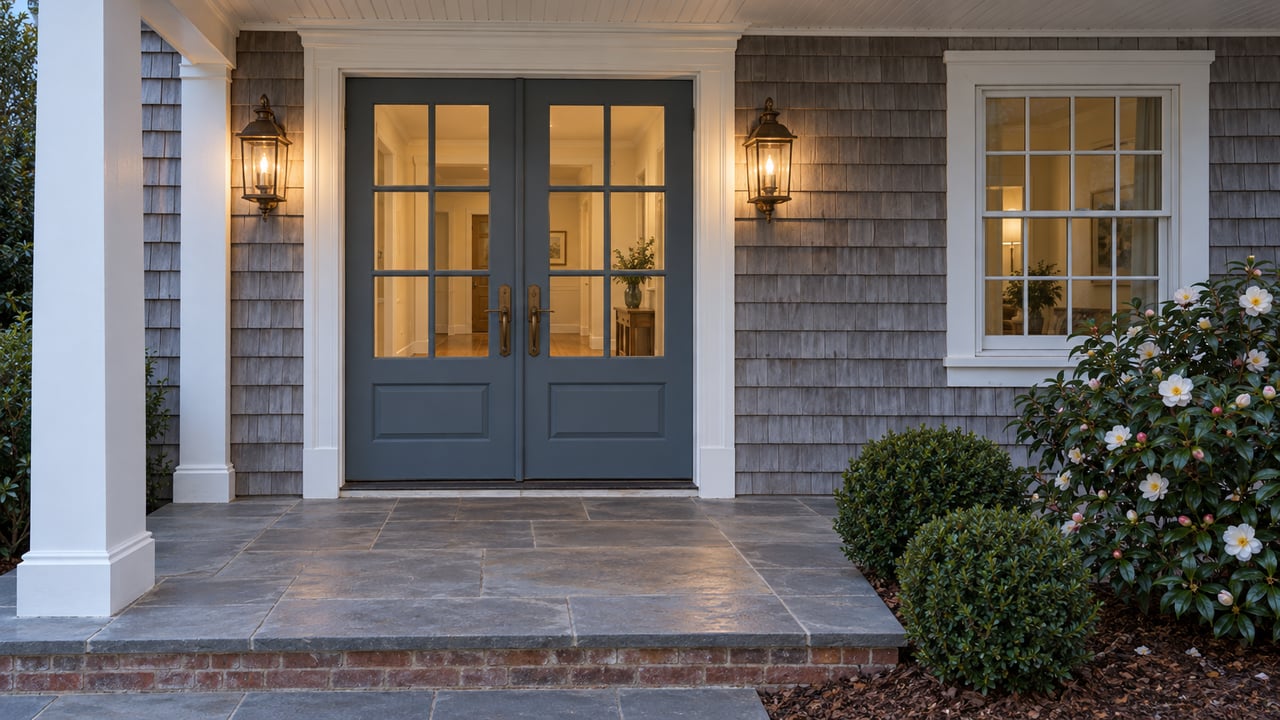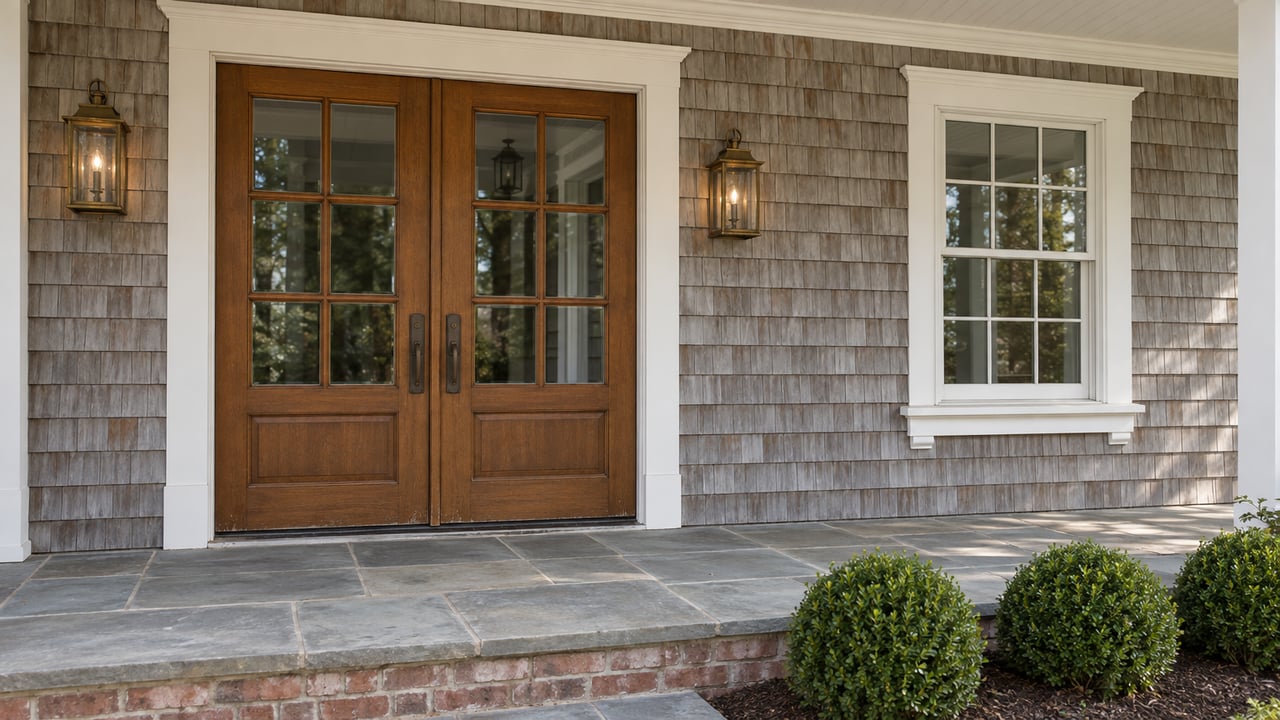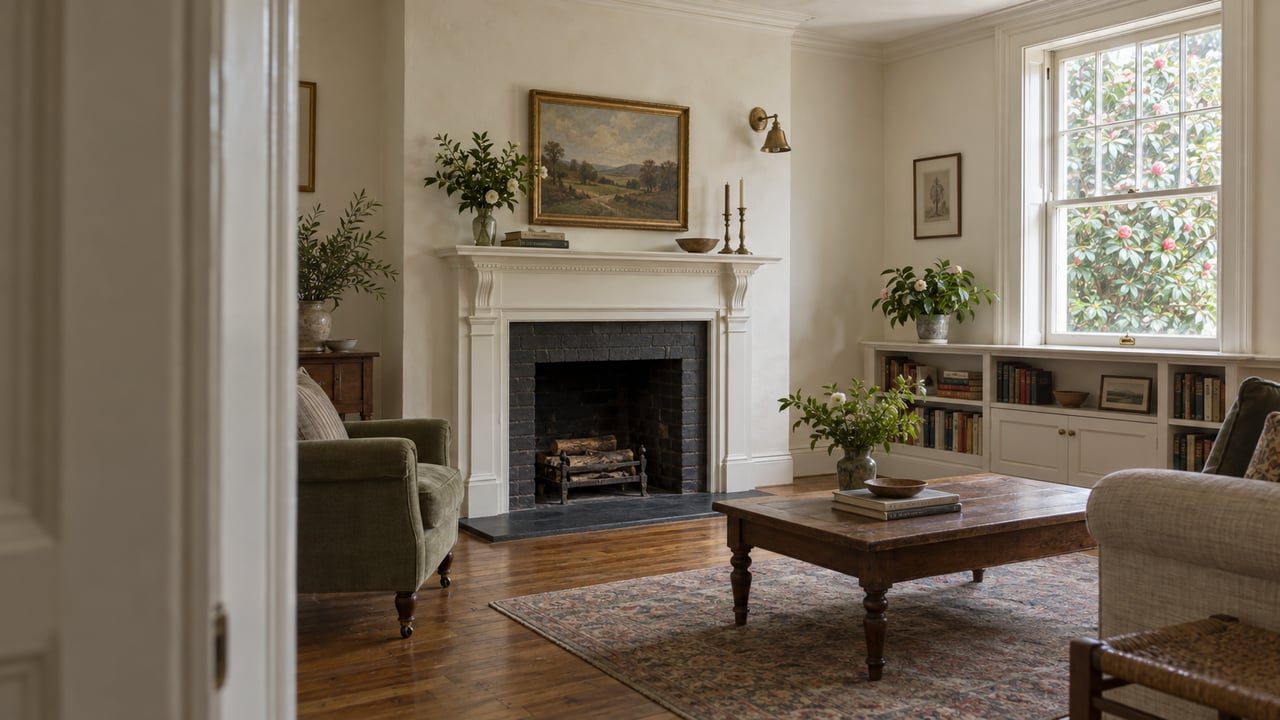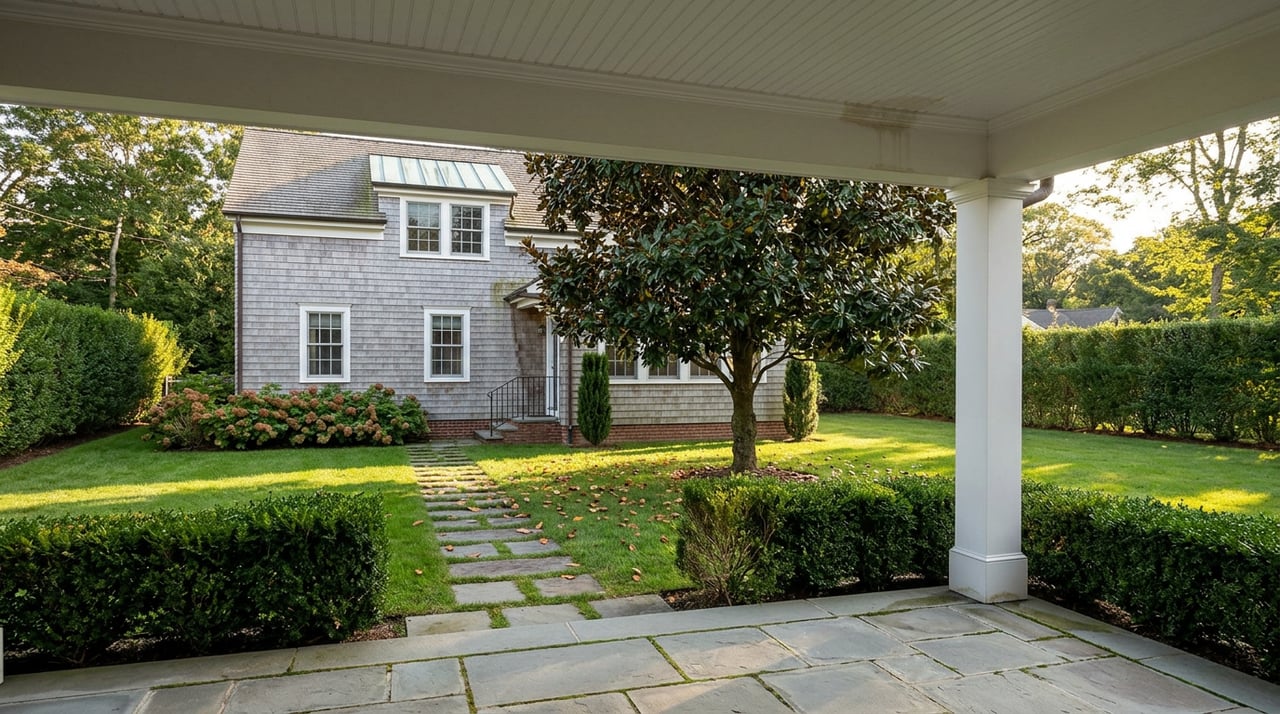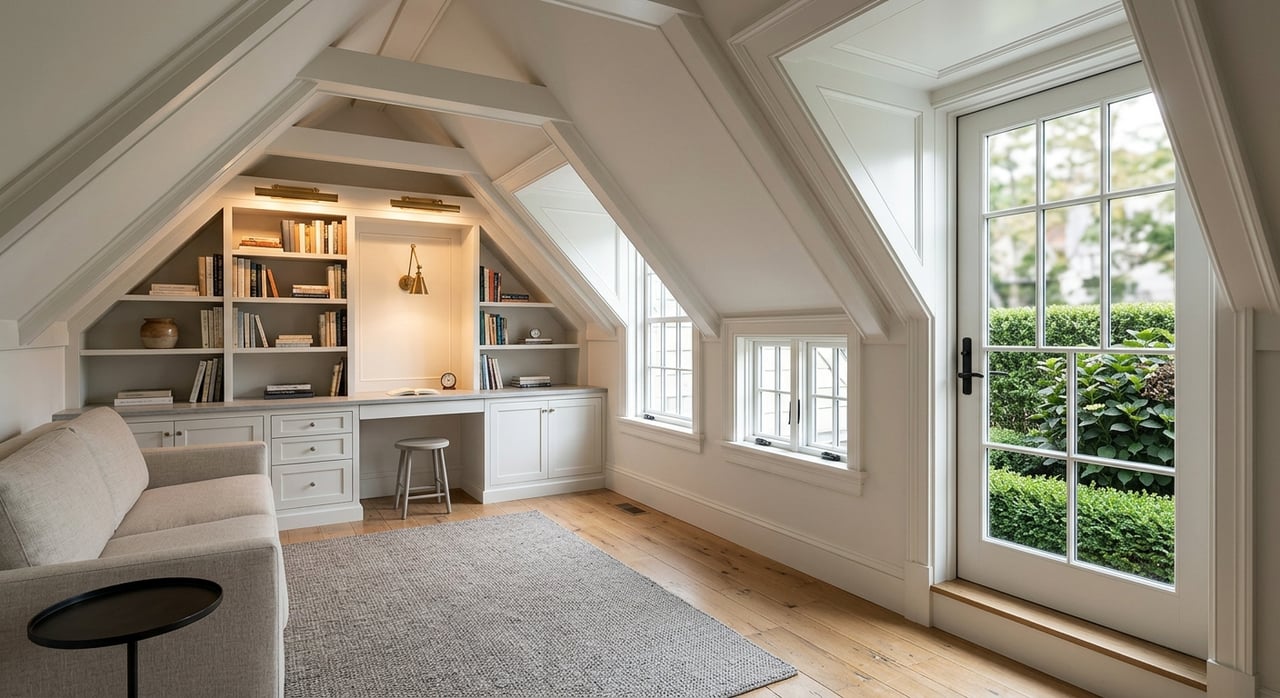
If your Dilworth home feels tight, you may not need a larger footprint to live better in it. Many homes in this historic Charlotte neighborhood were built before modern room counts became the norm, which means the space you need may already be sitting above your ceiling or below your main floor. When you understand what is possible, what requires approval, and what can affect cost, you can make smarter decisions before construction begins. Let’s dive in.
Why Dilworth homes invite creative reuse
Dilworth is one of Charlotte’s local historic districts, and the city notes that it was founded in the 1890s as Charlotte’s first suburb. That history helps explain why many homes here can feel short on flexible living space by today’s standards. In some cases, an unfinished basement or attic offers a practical way to gain usable square footage without expanding the home's footprint.
That can be especially appealing on lots where exterior additions may be more difficult or less desirable. Reworking existing volume often lets you improve function while keeping the home’s overall footprint intact. For many homeowners, that balance of livability and neighborhood context is the real opportunity.
Start with historic district rules
Before you think about finishes or layout, you need to understand approval requirements. Because Dilworth is a local historic district, exterior changes such as windows, doors, roof changes, new construction, or demolition require Historic District Commission approval through a Certificate of Appropriateness before work begins, according to the City of Charlotte Historic District program.
That matters for attic projects in particular. If your conversion changes the roofline or alters exterior elements, it is not only a design question but also a historic-district review issue. Early planning can help you avoid designing a space that later needs major revisions.
Know the permit path early
Even when the work is mostly inside the home, permits still matter. Mecklenburg County’s residential permits quick guide says interior renovation work such as finishing a basement or attic requires a building permit application, and all building permit applications must be approved by zoning first.
If the project includes electrical, mechanical, or plumbing work, the contractor must be listed on the application when it is submitted. Structural, HVAC, plumbing, or electrical changes can also trigger permitting requirements, even when a smaller cosmetic project might otherwise seem simple. In older homes, those systems are often part of the conversation.
Basement potential in Dilworth
A basement can become some of the most flexible space in your home. Common uses include a guest suite, home office, playroom, bathroom, or home theater, based on recent basement remodeling cost and scope data. The best fit depends on ceiling height, natural light, access, moisture conditions, and whether you plan to include plumbing.
In Dilworth, basements often make sense when you want separation from the main living areas. A lower level can create room for work, hobbies, visitors, or media space without changing how the rest of the house functions day to day. That can be valuable in older homes where first-floor rooms already have defined uses.
Moisture comes first
Before any framing or drywall starts, the basement needs a water assessment. This Old House’s basement waterproofing guide recommends waterproofing first, and notes that costs often range from about $6,000 to $18,000 depending on the method and severity.
That step is especially important in older homes. Once finishes are removed, issues like cracks, seepage, grading problems, sump-pump needs, insulation gaps, or poor window well drainage can become easier to spot. Solving those problems up front is usually far less disruptive than opening finished walls later.
Bedroom plans need egress
If your basement plan includes a sleeping room, code requirements become more specific. Under the North Carolina residential code, emergency escape and rescue openings must provide at least 4 square feet of net clear opening, with a minimum 22-inch height, minimum 20-inch width, and a sill no more than 44 inches above the floor.
If there is a window well, it also needs proper drainage. This is one of those details that can shape the design early, especially if you are deciding between a guest suite, office, or media room. What seems like a small layout choice can affect scope, approvals, and budget.
Attic potential in Dilworth
Attics often offer a different kind of value. They can be ideal for a bedroom, office, playroom, or upgraded storage area, according to recent attic finishing and loft conversion estimates. When the space works, an attic conversion can add function in a part of the home that may currently be underused.
In Dilworth, attic projects are often attractive because they reuse existing volume instead of pushing farther into the lot. That said, attic conversions can become technically complex quickly. Ceiling height, stairs, roof framing, and HVAC routing all need to work together.
Ceiling height shapes the plan
Attic rooms with sloped ceilings have to meet specific geometry rules to qualify as habitable space. The North Carolina residential code says rooms with sloped ceilings must have at least 5 feet of height in the required floor area, and at least half of the required floor area must have 7 feet of height.
This is why an attic that feels large in raw form may still have limited usable living area once code rules are applied. Knee walls, dormers, and layout choices all affect how the floor plan performs. Measuring correctly at the start can prevent overestimating what the finished space can actually deliver.
Stairs can be the hidden challenge
Many homeowners focus first on the room itself, but stair access often becomes one of the biggest constraints. Loft and stair rules can limit headroom and tread and riser dimensions under the state residential code. In practical terms, that means the route to the attic may require more planning than the attic room itself.
This is one reason attic conversions benefit from early design and builder input. A strong plan looks beyond the new room and studies how you actually get to it, how systems reach it, and whether structural reinforcement is needed.
Structure and systems matter more in older homes
Older homes can be excellent candidates for basement and attic conversions, but they also reward careful investigation. HomeGuide notes that attic conversions may need structural reinforcement if the home was not originally built to support a second-floor room, and project complexity can increase when framing or roof conditions are less straightforward.
Before plans are finalized, it is smart to confirm load paths, floor joists, roof framing, HVAC extension, and electrical routing. These are not glamorous decisions, but they are often the ones that protect your schedule and budget. In many renovation projects, the biggest savings come from avoiding surprises after demolition begins.
Budget ranges and timeline expectations
Costs vary widely based on size, condition, intended use, and system upgrades. For basements, published estimates place a typical full finish at roughly $15,000 to $75,000, with broader remodel estimates around $20,000 to $50,000 or about $25 to $65 per square foot, based on recent HomeGuide data. Straightforward basement projects often take about 4 to 6 weeks, while broader remodels can run around 3 to 8 weeks.
For attics, HomeGuide estimates about $20,000 to $80,000 or more to turn an attic into living space. A 300-square-foot loft conversion with minimal roof changes may run about $45,000 to $105,000 or more, while Angi timing estimates summarized in the research indicate many loft conversions take roughly 4 to 12 weeks. Structural work, poor attic condition, or roof changes can push both cost and schedule higher.
Basement vs. attic at a glance
| Space | Common uses | Key constraints | Typical budget range | Typical timeline |
|---|---|---|---|---|
| Basement | Guest suite, office, bathroom, playroom, theater | Moisture, drainage, egress, ceiling height, plumbing | $15,000 to $75,000 for a typical full finish | 4 to 6 weeks for straightforward work |
| Attic | Bedroom, office, playroom, storage upgrade | Ceiling height, stair access, structure, HVAC, roof changes, historic review triggers | $20,000 to $80,000+ | 4 to 12 weeks |
How to choose the right space
The best choice usually depends on the condition of the house and how you want to live in it. If you need a quiet work area, guest space, or a flexible family room, a basement may offer easier separation and less impact on the roof. If you want to capture underused square footage above the main floor, an attic may create a more natural extension of everyday living space.
In Dilworth, the smartest path is rarely to start with finishes. Start with feasibility. Moisture, ceiling height, stair layout, structural capacity, permit requirements, and historic-district triggers should guide the decision before you commit to a final scope.
Why early planning protects value
In older neighborhoods, the projects that go most smoothly usually begin with disciplined due diligence. That means understanding whether the space can meet code, whether exterior changes will trigger additional review, and whether systems and structure support the plan you have in mind. It also means making room in the budget for the unseen work that often matters most.
That kind of planning is where experience shows. A builder who understands Dilworth, local approvals, and the realities of working inside older homes can help you test the idea before framing starts and reduce the chance of costly redesigns mid-project.
If you are weighing a basement or attic conversion in Dilworth, Carolina Precision Builders can help you evaluate the space, identify permit and historic-district considerations, and plan a remodel with the level of care older homes deserve.
FAQs
What approvals are needed for basement or attic work in Dilworth?
- Interior renovation work such as finishing a basement or attic typically requires a building permit application with zoning approval first, and exterior changes in Dilworth’s local historic district require Historic District Commission approval through a Certificate of Appropriateness before work begins.
What code rules apply to an attic conversion in North Carolina?
- For habitable attic space with sloped ceilings, rooms must have at least 5 feet of height in the required floor area, and at least half of that required floor area must have 7 feet of height.
What code rules apply to a basement bedroom in North Carolina?
- A basement sleeping room must include an emergency escape and rescue opening with at least 4 square feet of net clear opening, a minimum 22-inch height, a minimum 20-inch width, and a sill no more than 44 inches above the floor, with proper drainage for any window well.
How much does it cost to finish a basement in Dilworth?
- Published estimates place a typical full basement finish around $15,000 to $75,000, while broader remodel estimates often fall around $20,000 to $50,000 depending on size, systems, and finishes.
How much does it cost to convert an attic into living space in Dilworth?
- Recent estimates put attic conversions at about $20,000 to $80,000 or more, with loft-style conversions around 300 square feet often ranging from roughly $45,000 to $105,000 or more when conditions are favorable and roof changes are limited.
What is the first step before finishing a basement in an older Dilworth home?
- The first step is usually assessing the basement for water issues such as cracks, seepage, grading problems, sump-pump needs, insulation details, and window well drainage before any finish work begins.