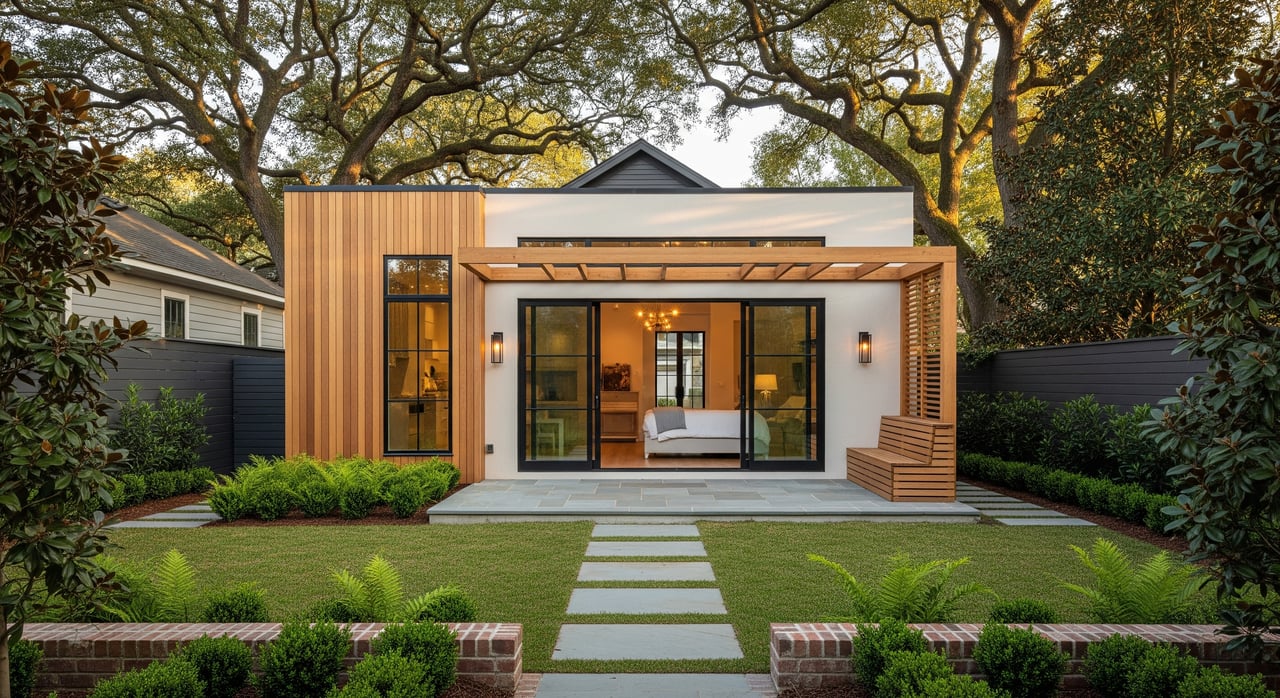
Thinking about adding a guest cottage, rental unit, or in‑law suite to your Elizabeth home? You are not alone. Many Charlotte homeowners are exploring accessory dwelling units because they offer flexibility for family, potential income, and smart use of space on established lots. In this guide, you will learn what counts as an ADU, how rules work in Elizabeth, the steps to permits and inspections, and how to plan your timeline and budget with fewer surprises. Let’s dive in.
What an ADU is and why it fits Elizabeth
An accessory dwelling unit is a second, self‑contained home on the same lot as your primary residence. It includes sleeping, cooking, and bathroom space and can be part of your existing home or a separate structure in the yard. In Elizabeth, ADUs often support multigenerational living, long‑term rental income, or a flexible studio with a full bath and kitchenette.
Common ADU types you might consider:
- Interior conversion, such as a basement or attic suite.
- Garage conversion, whether attached or detached.
- Attached addition that creates a private unit off the main house.
- Detached cottage or carriage house built as a new accessory structure.
- Modular or prefab units placed and finished on site.
Start with parcel‑specific checks
Before you sketch plans, confirm what is allowed on your specific lot. Elizabeth sits within the City of Charlotte, and zoning and permitting run through City Development Services. Rules can vary by zoning district and overlays, so two homes on the same street may face different requirements.
- Zoning and the UDO. Verify your property’s zoning and accessory‑unit allowances with Charlotte Planning. A quick way to get oriented is to review the City’s guidance through Development Services and then confirm details with staff.
- Historic overlays. Portions of Elizabeth include historic design review. If your home is in a historic district, exterior changes and new accessory structures generally require review by the Charlotte Historic District Commission.
- Easements and lot data. Use Mecklenburg County’s parcel tools to check lot lines, area, and recorded easements that could affect where a detached unit can go. Start with the Mecklenburg County GIS parcel viewer.
- Utilities, trees, and stormwater. Mature trees, sloped sites, and utility routing are common in Elizabeth. These factors can shape placement, foundation choices, and cost.
How site conditions shape your ADU choice
Elizabeth has a mix of lot sizes, many with early 20th‑century footprints. On compact lots, interior or garage conversions often fit best. On larger parcels, detached cottages are possible but need careful planning for setbacks, tree protection, and stormwater.
- Setbacks and placement. Accessory structures must meet standard setbacks and separation from the main house. On narrower lots, the buildable envelope for a detached ADU can be tight.
- Historic character. In historic areas, scale, rooflines, and materials are usually reviewed to keep additions subordinate to the main house. Smaller carriage‑house forms and compatible materials help move designs through review.
- Parking and access. Confirm parking expectations early. Creating safe, code‑compliant access on a tight lot takes thoughtful design.
ADU types at a glance
- Interior conversion. Typically the most cost‑efficient because the footprint and utilities already exist. Plan for proper egress, insulation, and fire separation to meet code.
- Garage conversion. Useful when a garage has good structure and access. Expect fire‑rated assemblies and upgraded mechanical, electrical, and plumbing.
- Attached addition. A good fit when the lot allows expansion but you want to keep utilities compact and maintain yard space.
- Detached cottage. Offers the most privacy and rental flexibility. It also carries the most site work, utility, foundation, and historic‑design considerations.
- Modular or prefab. Can shorten on‑site build time, but you still need foundations, utility connections, and full code compliance.
Permits, reviews, and code checkpoints
Most ADU projects in Charlotte move through a predictable set of approvals. A pre‑application conversation with City staff will help you map your exact path.
Typical approvals and submissions:
- Zoning and UDO compliance review to confirm the use and placement.
- Building permit with plans for structure and code compliance.
- Trade permits for electrical, plumbing, and mechanical work.
- Historic review and a Certificate of Appropriateness if within a historic district.
- Tree and stormwater reviews if your project triggers thresholds for impervious area or tree removal.
- Addressing and a mailbox assignment if your ADU functions as a separate dwelling.
Life‑safety and building code items to expect:
- Egress, fire separation, ceiling heights, insulation, and system sizing under the North Carolina Residential Code. You can review state code resources through the North Carolina building codes office.
- Fire ratings for attached ADUs and garage conversions based on wall and ceiling assemblies.
- Short‑term rental use may require separate approvals or licensing. Verify City policy and any HOA or covenant rules before planning for short‑term stays.
Step‑by‑step path from idea to move‑in
Confirm lot details. Pull parcel lines, area, and recorded easements using the Mecklenburg County GIS parcel viewer.
Check zoning and overlays. Contact City Planning or Development Services to verify UDO allowances and whether a historic overlay applies. Start with the City’s Development Services page for contacts and submittal info.
Schedule a pre‑application meeting. A short intake call or meeting helps you identify all required approvals, fees, and review departments.
Assemble your team. Engage a designer or architect, a surveyor, and a licensed contractor with Charlotte experience. Historic‑district expertise is valuable if it applies to your street.
Develop site and building plans. Include setbacks, structures, parking, utility routing, and tree impacts. Prepare floor plans, elevations, framing and foundation details, and mechanical, electrical, and plumbing diagrams. Add energy compliance documentation and structural calculations as needed.
Submit permits and coordinate reviews. Track zoning, building, trades, and any historic or stormwater reviews until approvals are issued.
Build and pass inspections. Expect footing and foundation, rough-ins, insulation, final trades, and a final building inspection that leads to your Certificate of Occupancy.
Close out. Notify utilities and the county tax office as needed once the unit is complete and occupied.
Realistic timeline ranges
Plan for a multi‑stage process. Your exact schedule depends on scope, review workload, and whether historic review is required.
- Pre‑application and feasibility: 1 to 4 weeks.
- Design and drawings: 2 to 12 plus weeks. Interior or garage conversions sit at the low end, new detached cottages take longer.
- Plan review and permits: 4 to 12 plus weeks, depending on completeness and whether you need historic or conditional approvals.
- Construction: 2 to 9 plus months. Interior conversions may wrap in a few months. Detached units with foundations, utilities, and site work usually take longer.
- Typical total duration: about 3 to 12 months for simpler conversions, and 6 to 18 months for detached ADUs with design review or complex sites.
Cost drivers and financing basics
Every ADU is different, but the main cost categories are predictable: design and permitting, site work and utilities, the building shell and finishes, mechanical and electrical systems, contractor overhead and contingency, and any historic‑design compliance that affects exterior materials.
Key cost drivers to plan for:
- ADU type. Interior conversions are usually the most economical. New detached ADUs are typically the most costly because of foundations and separate utility runs.
- Site conditions. Tree protection, grading, and stormwater management can add time and budget.
- Utilities. Meter additions, capacity upgrades, and trenching drive costs and influence layout choices.
- Labor and materials. Local pricing and lead times can shift, so build a reasonable contingency into your plan.
Financing options homeowners often consider:
- Cash or savings.
- Home equity line or home equity loan.
- Cash‑out refinance.
- Construction loan.
- Renovation or government programs where available.
For tax or financing advice, speak with your lender and financial advisor. For assessed value questions, consult the county tax office.
Tips to avoid delays and surprises
- Do a pre‑application meeting with the City early. It clarifies approvals, prevents rework, and can shorten your review timeline.
- Engage a local team with Charlotte and Elizabeth experience. Familiarity with historic design review, site constraints, and utility coordination saves time.
- Coordinate tree and stormwater considerations at schematic design. Early planning helps you preserve canopy and control costs.
- Verify utility capacity and metering before finalizing plans. Meter choices can affect both upfront cost and long‑term billing.
When a detached cottage makes sense
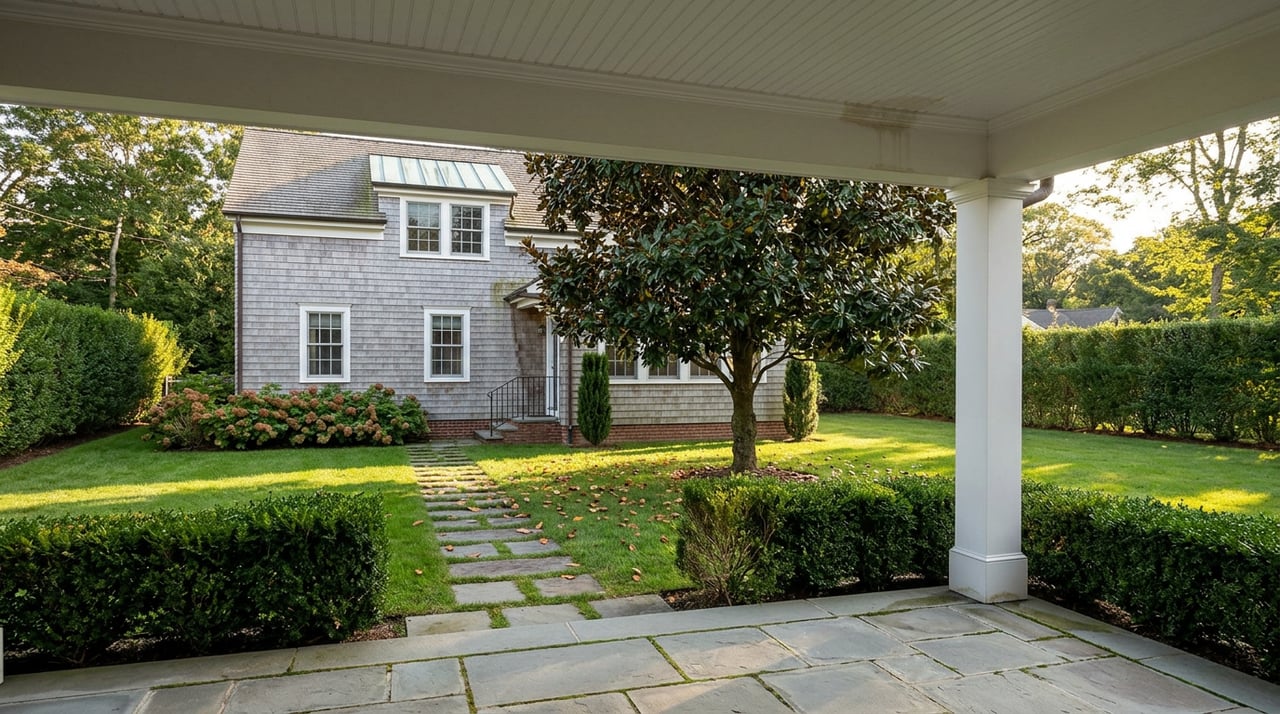
Detached ADUs shine when privacy, long‑term rental potential, or a full guest house is the goal. They also work well on lots with alley access or ample rear yard depth. If your property has a clear buildable area that meets setbacks, planned utility routing, and a strategy for trees and drainage, a small carriage‑house form can complement Elizabeth’s character and pass design review more smoothly.
Work with a builder who knows Elizabeth
ADUs blend design nuance with code, zoning, utilities, and inspections. You want a partner who treats your yard, trees, and neighbors with care while steering the process with precision. Carolina Precision Builders is a boutique Charlotte contractor with verified permit history and hands‑on principal involvement. Our team collaborates with architects and designers, manages submittals and inspections, and delivers clean, durable craftsmanship that fits Elizabeth’s context.
If you are exploring an ADU, let’s talk through feasibility, scope, and timeline for your specific lot. Carolina Precision Builders can help you plan with confidence.
FAQs
Are ADUs allowed on my Elizabeth property?
- Check your zoning and any overlays with City Planning and confirm parcel details through Mecklenburg County’s GIS. Historic districts add design review that can change your path.
What type of ADU is easiest to permit in Charlotte?
- Interior and garage conversions are often simplest because the footprint and connections exist, though they must still meet egress, insulation, and fire separation requirements.
Do I need a separate utility meter for an ADU?
- It depends on how you plan to use the unit and utility policies. Some projects share meters, others require separate service. Confirm with Charlotte utilities during early design.
Will parking be required for my ADU in Elizabeth?
- Parking rules vary by zoning and location. The City may reduce or waive added parking in established neighborhoods, so confirm requirements for your parcel during zoning review.
How does the historic district affect my ADU plans?
- If your property is in a historic overlay, exterior changes and new accessory structures generally require Historic District Commission review. Expect added design standards and review time.
Can I use my ADU for short‑term rentals in Charlotte?
- Policies for short‑term rentals are separate from building and zoning approvals. Verify City rules and any HOA or covenant restrictions before planning short‑term use.
Will an ADU increase my property taxes in Mecklenburg County?
- Adding a dwelling unit typically increases assessed value, which can affect taxes. Contact the county tax assessor or a tax professional for parcel‑specific guidance.