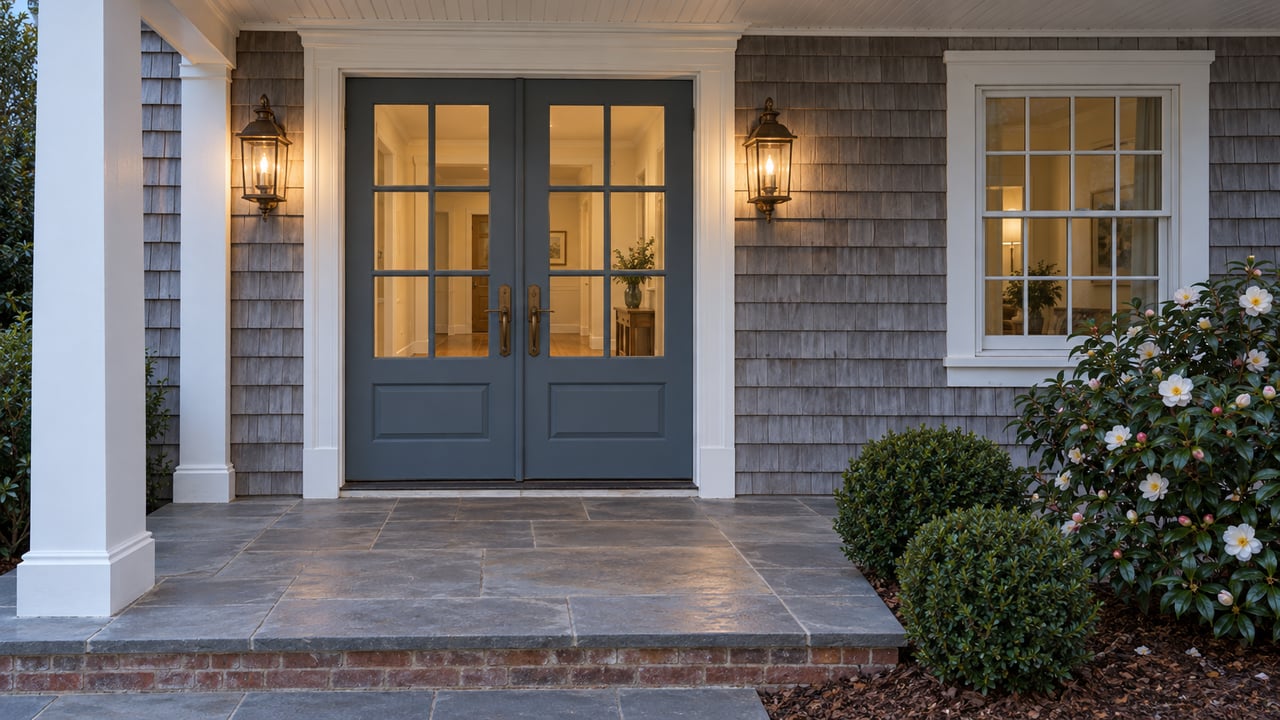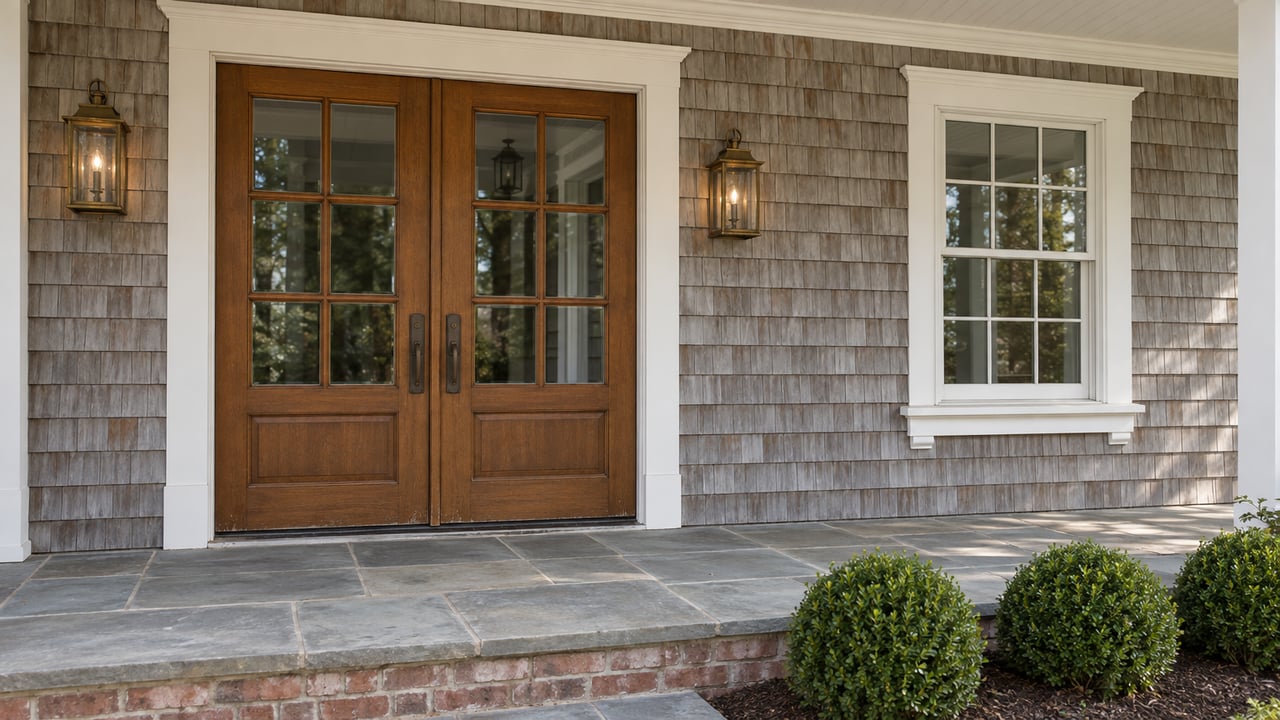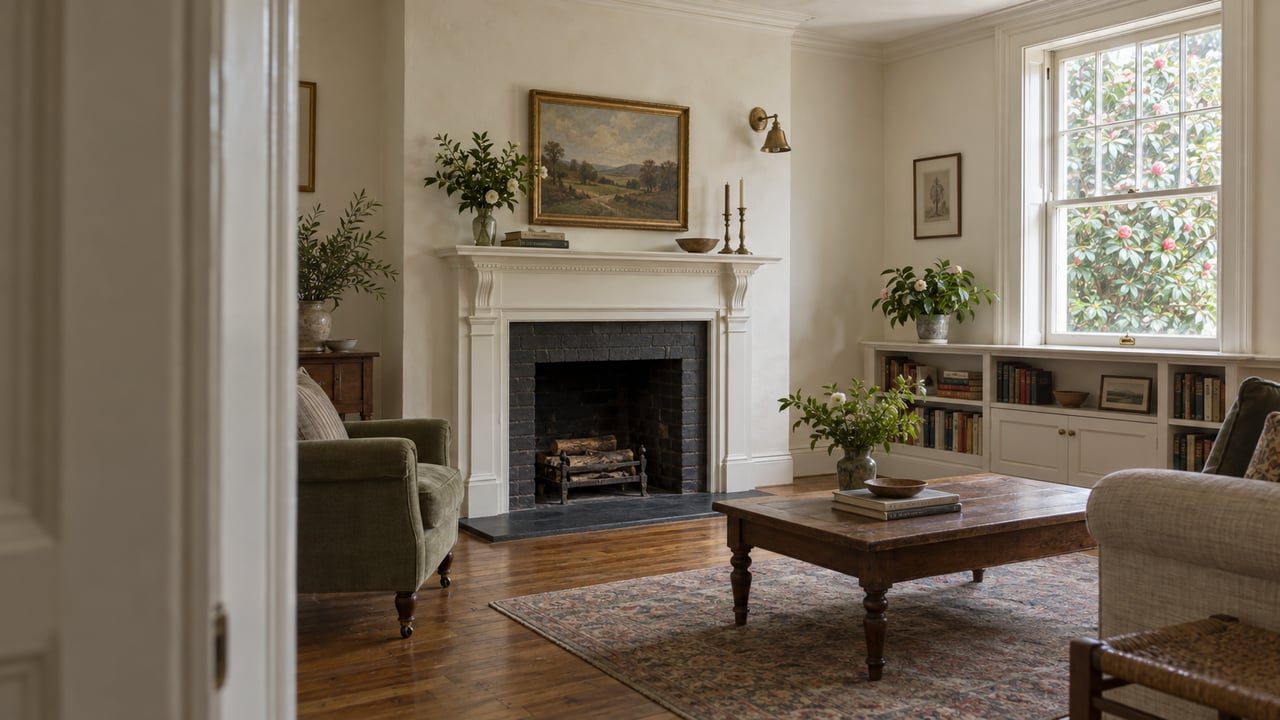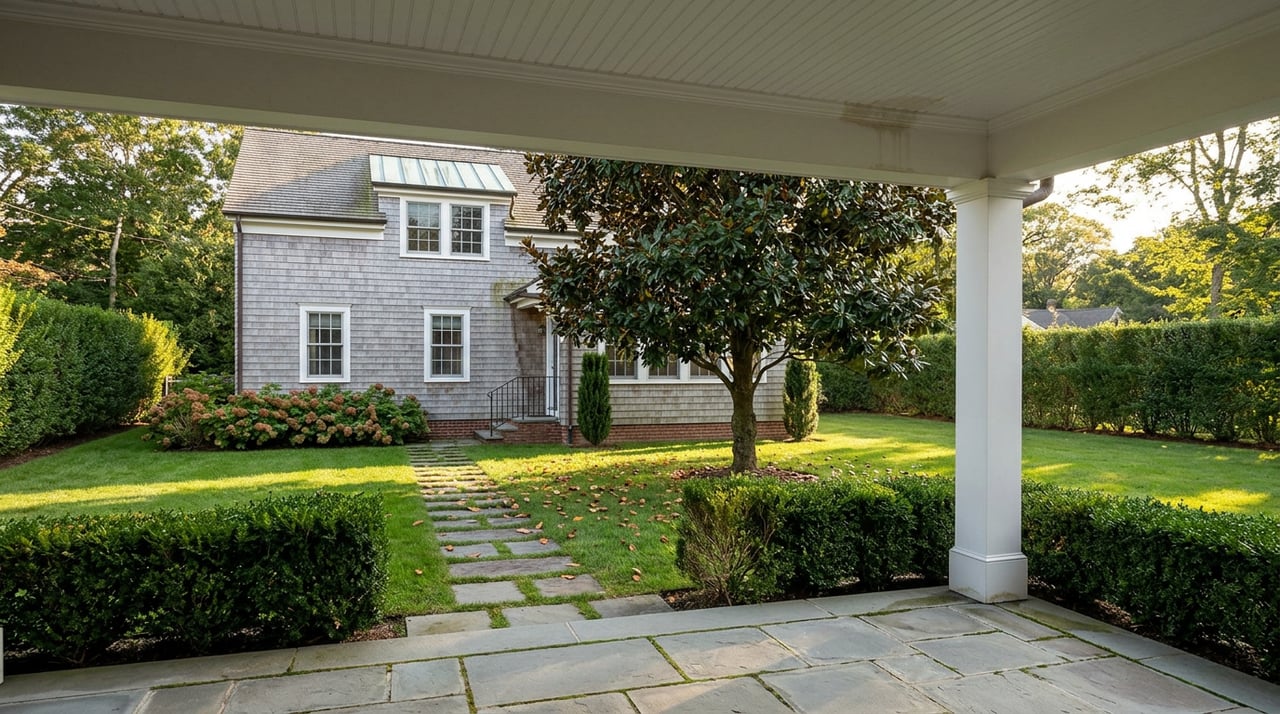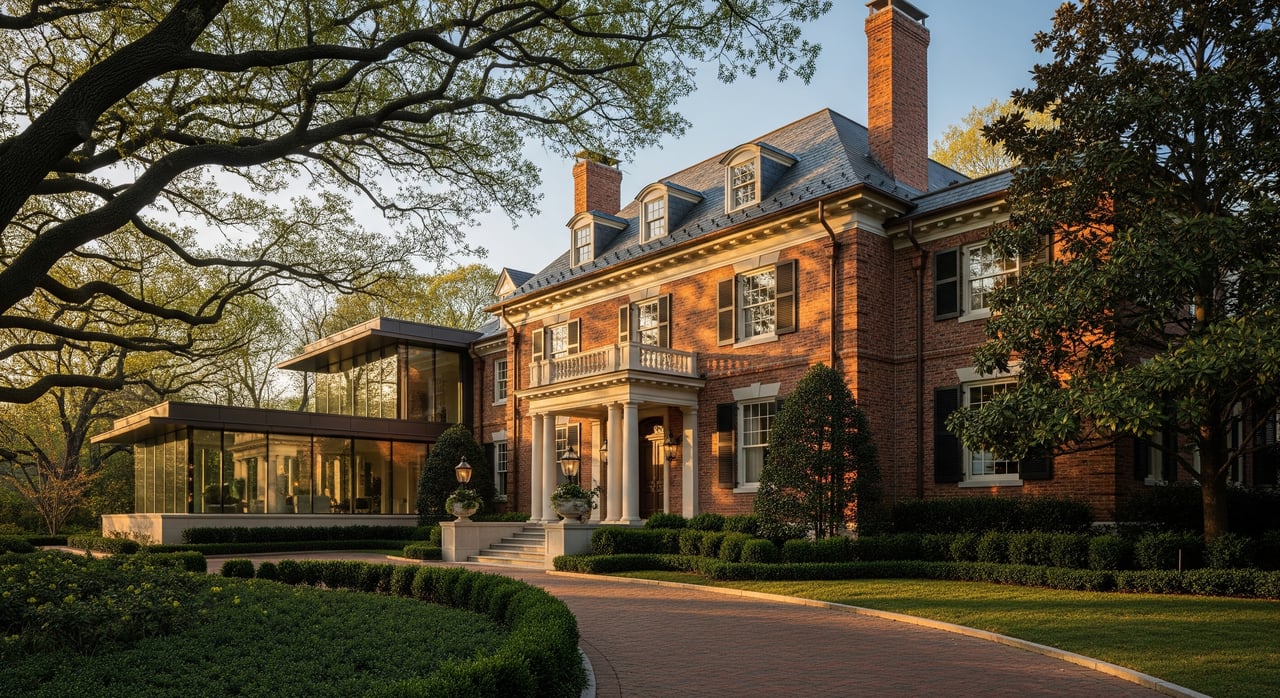
Thinking about tearing down your Myers Park house to build new, or opening up the floor plan and adding on instead? You are not alone. In this neighborhood, the decision is as much about rules on the lot as it is about lifestyle, cost, and resale. In this guide, you will learn the key factors that shape feasibility in Myers Park, how costs and timelines typically compare, and a simple framework to choose your best path. Let’s dive in.
Start with your goals and site basics
Before you look at drawings or call for bids, get clear on what you need the home to do. The right choice depends on function, budget, timing, and how your lot is regulated.
- Define your must-haves and nice-to-haves. Think bedroom count, office needs, kitchen flow, storage, and garage placement.
- Decide whether you want to stay on-site during construction. Living through a renovation is possible with phasing. A full teardown means you will move out until completion.
- Note what you love and what you would change about the current home. If the existing structure fights your plan, a new build may fit better.
- Consider energy, maintenance, and long-term ownership. New construction can simplify future upkeep. Renovations can preserve character while upgrading systems.
Understand Myers Park rules and reviews
Myers Park sits within the City of Charlotte. Local zoning, possible historic review, and tree protection shape what you can build and where you can place it.
Zoning, setbacks, and lot coverage
Your parcel’s zoning district sets front, side, and rear setbacks, height limits, and lot coverage or floor-area controls. A new home often triggers fresh calculations, while a renovation may be treated differently if you retain elements of the existing structure. If your desired size pushes limits, you may need design changes or a variance, which adds time and uncertainty.
Historic context and design oversight
Parts of Myers Park are inside locally or nationally recognized historic areas. If your lot falls within a local historic district, demolition and exterior changes are typically reviewed. Even outside formal districts, neighborhood design expectations can influence approvals. Plan for early conversations with historic staff or planning to understand what scale, massing, and style will fly on your block.
Tree protection and the canopy
Charlotte’s tree ordinance protects certain mature and specimen trees. On larger Myers Park lots, a single canopy tree can dictate your footprint, driveway layout, and even garage placement. A tree survey with an arborist early in the process will identify trees you must preserve, removals that need permits, and any mitigation you may owe.
Easements, topography, and soils
Older Myers Park parcels can hide easements for sewer or storm lines, as well as slopes that affect grading and drainage. If you plan a new foundation or basement, a geotechnical report helps you avoid surprises. A current boundary survey will confirm buildable area and any recorded restrictions before you commit to a design.
Permits, variances, and neighbor process
Expect to coordinate demolition permits, building permits, tree approvals, stormwater review, and any needed historic or variance applications. Historic or variance reviews can add weeks or months and may include public notices. Build this into your schedule from the start.
Cost, financing, and risk
Budget is not just about totals. It is also about predictability, contingencies, and what you can control.
New custom build: clean slate and predictability
A teardown and new home will include demolition, a new foundation and structure, full mechanical and electrical systems, site work, and finishes throughout. Soft costs such as architecture, engineering, and permit fees are higher in absolute dollars. Once plans are final, costs and schedule tend to be more predictable, and you can optimize energy performance and long-term maintenance from day one.
Renovation or addition: targeted investment and unknowns
A major renovation can look less expensive at first, since you keep parts of the structure. The tradeoff is risk. Hidden conditions like rot, termites, or undersized framing can lead to change orders. Integrating old and new systems requires careful planning and can extend timelines, especially if you phase work so you can stay on-site.
Budgeting and contingency planning
- New builds usually require a higher total budget than a comparably sized renovation, because you are paying to rebuild everything.
- Renovations need a higher contingency for unknowns. Plan for at least 15 to 25 percent on renovations. For new builds, a 10 to 15 percent contingency helps cover market price swings or scope changes.
- Account for soft costs. Architecture, engineering, surveys, testing, permits, inspections, and financing can add 10 to 20 percent or more to hard costs.
- Talk to lenders early. Construction loans for new builds and renovation loans have different terms and appraisal approaches.
Where you live during the work
If you need to live at home during construction, a phased renovation can keep parts of the house usable. Expect longer schedules and careful site safety planning. With a teardown, you will need temporary housing until the new home is complete.
Typical timelines to expect
- Major renovation or addition: plan 1 to 3 months for planning and permitting, plus 4 to 12 months for construction depending on scope and phasing. Historic review or complex structural work can extend this.
- Teardown and new custom home: plan 3 to 6 months or more for design and permitting, plus 10 to 18 months for construction. Many high-end builds take 12 to 24 months from concept to move-in.
Resale and neighborhood fit in Myers Park
Buyers in Myers Park tend to value historic character, mature landscapes, high-quality craftsmanship, and modern function that respects the street. A well-designed new home that matches the block’s scale can command a premium. A sensitive renovation that maintains curb appeal and updates kitchens, baths, and systems can also resell well. Overbuilding the lot or ignoring context can reduce marketability, even with luxury finishes.
When you compare options, look at sales on your street or nearby blocks, not just neighborhood-wide averages. Recent comps for both new builds and renovated homes will help you right-size scope and finishes.
A simple decision framework
Use this checklist to decide whether to renovate or rebuild.
- Program fit: Can your desired rooms, storage, and garage be achieved within the existing footprint and zoning rules? If not, a new build may fit better.
- Site controls: Do tree protections, easements, or topography limit expansion? If yes, a renovation that works within the envelope may be more realistic.
- Historic path: Is demolition likely to face pushback, or will a context-sensitive new design be acceptable? Early staff input can clarify this.
- Budget delta: Get preliminary estimates for both paths at your target quality level. Compare totals with contingencies and soft costs included.
- Living needs: Do you need to stay on-site? If yes, a phased renovation can work. If no, a teardown may be feasible.
- Resale alignment: Will the finished home match buyer expectations and comps on your block?
Your first steps in Myers Park
- Gather documents. Pull your deed, recorded plat, and any covenants. Order a current boundary survey if you do not have one.
- Check status. Confirm zoning, any historic designation, and recorded easements. Map floodplain and stormwater constraints.
- Inventory trees. Hire an arborist for a tree survey to flag protected or specimen trees.
- Build your team. Engage a local architect with Myers Park experience and a reputable builder early to test budget and constructability.
- Seek early input. Schedule a pre-application conversation with planning or historic staff to spot issues before you design too far.
- Price both paths. Ask for preliminary estimates for a renovation or addition and for a teardown and new home. Use unit-cost guidance and local bids to set realistic ranges.
Renovate or rebuild: quick pointers
Choose a renovation or addition if:
- You want to keep facade character and curb appeal.
- The structure and foundation are sound, and the plan works within setbacks.
- You need to live on-site with phased work.
Choose a teardown and custom build if:
- Your program requires major structural changes, new basement, or a different layout that the existing shell cannot support.
- Energy efficiency, low maintenance, and modern systems are top priorities.
- Zoning, tree layout, and historic feedback support a new design that fits the block.
Avoid common pitfalls in Myers Park
- Skipping a tree survey. Protected trees can block planned additions or require redesign late in the process.
- Maxing out lot coverage. Pushing the envelope can trigger variances or reduce outdoor living space buyers expect.
- Underestimating soft costs and contingencies. Set realistic allowances at the start.
- Ignoring neighbor context. Scale, massing, and rooflines that fight the street can face resistance and impact resale.
- Delaying builder involvement. Early cost and constructability checks prevent expensive redesigns.
How we support your decision
You deserve a process that is clear, respectful of your time, and aligned with your goals. As a Charlotte-based boutique builder focused on Myers Park and nearby neighborhoods, we bring hands-on oversight and local permitting experience to both paths. We work collaboratively with architects and designers, coordinate surveys and arborist reviews, and provide early budget feedback for renovation and new build scenarios. You get transparent schedules, documented steps, and warranty-backed work that protects your investment.
If you are weighing a Myers Park custom home or a major renovation, we can help you run the feasibility steps and compare options side by side. Ready to talk through your lot, goals, and timeline? Reach out to Carolina Precision Builders for a complimentary project consultation.
FAQs
Can I demolish my Myers Park house and build a larger modern home?
- Possibly, but not automatically; zoning limits, tree protections, and any historic review can restrict scale, so plan for early consultations before design.
Is a renovation in Myers Park always cheaper than a teardown and new build?
- Renovations often start lower but carry higher risk for hidden conditions, while new builds typically cost more overall with more predictable schedules once plans are set.
How long does each path typically take in Myers Park?
- Renovations commonly run 1 to 3 months for planning and permits plus 4 to 12 months for construction; new custom builds often take 12 to 24 months total.
Do I have to move out if I renovate my Myers Park home?
- Not always; with careful phasing you can stay on-site during a renovation, but a teardown requires temporary housing until the new home is complete.
Which option tends to resell better in Myers Park?
- Both can perform well if the final home is high quality and context sensitive; buyers value scale that fits the block, strong curb appeal, and updated systems.