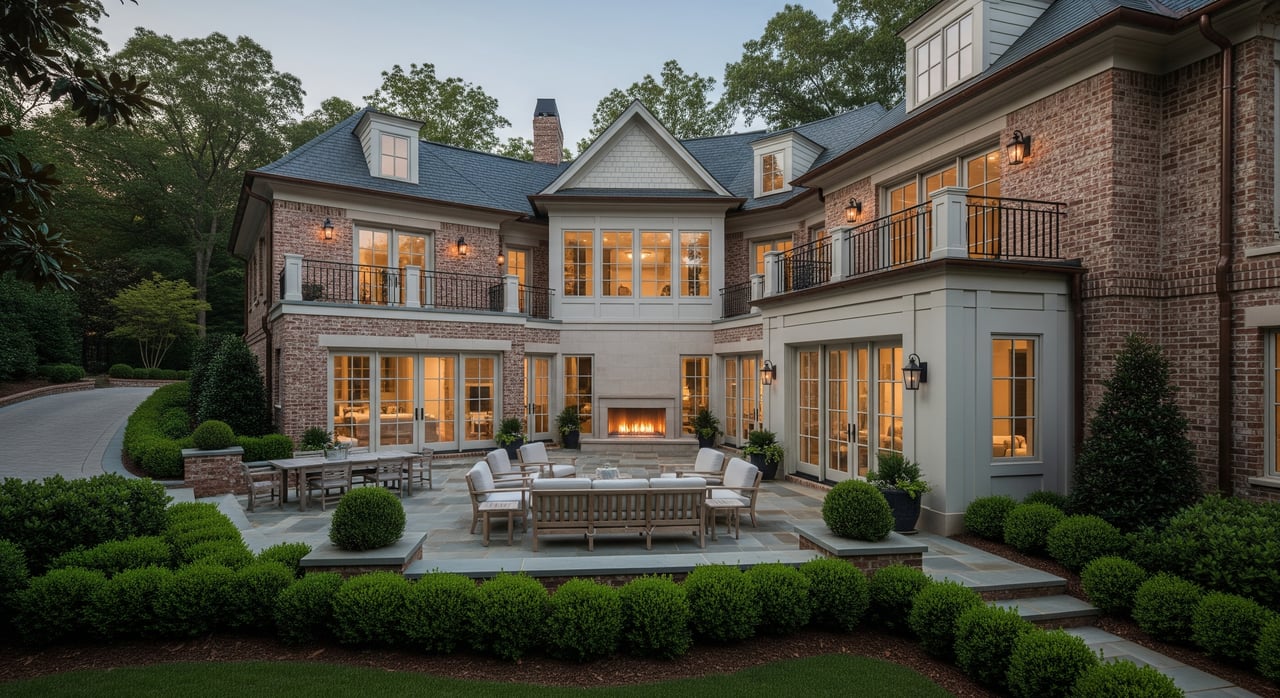
Thinking about a basement or a crawl space for your SouthPark home? In 28210, lot conditions, drainage, and your goals for usable space all factor into the right choice. You want a solution that feels solid on day one and holds value over time. This guide breaks down space, cost, waterproofing, systems, code, and resale considerations so you can choose with confidence for your property. Let’s dive in.
SouthPark site factors
SouthPark sits in a humid subtropical climate with warm, wet summers and moderate winters. The area sees roughly 40 to 50 inches of annual rain, which means drainage planning is essential. Many local soils include clayey subsoils that slow infiltration and can cause perched water during heavy storms. Lot-to-lot variability is common, especially where fill, clay lenses, or rock are present, so your exact site conditions matter.
Topography across 28210 varies. SouthPark is generally higher than some Charlotte neighborhoods, but localized ponding or runoff from adjacent lots can still be an issue. Always review floodplain information and local stormwater guidance for your parcel. These factors influence excavation difficulty, waterproofing choices, and long-term performance.
Space and function
Basements provide true, fully usable conditioned square footage when finished to code. You can add living rooms, bedrooms, baths, storage, and specialty spaces like theaters or gyms. With proper egress, ceiling height, and moisture control, that space often feels like a natural extension of the main floors.
Crawl spaces are usually not counted as living area. They are most useful for utilities, storage, and service access. If you choose a sealed or conditioned crawl space, you can house some equipment in a semi-conditioned envelope, reduce duct losses, and improve indoor air quality compared with vented crawl spaces.
Costs to expect
Basements typically cost more upfront than crawl spaces. Deeper excavation, more concrete, robust waterproofing, and egress features all add to the budget. Finished basements also require framing, finishes, and possibly an additional HVAC zone, which increases cost but can enhance utility and value.
Crawl spaces are generally less expensive and faster to build. Costs include shallow footings, site grading, and encapsulation or insulation for a sealed or conditioned approach. Poorly detailed crawl spaces can lead to moisture or pest issues over time, so quality installation and ongoing maintenance are important to protect your investment.
Consider lifecycle value. A well-executed, dry finished basement can boost resale appeal, especially in higher-end SouthPark homes. A thoughtfully designed sealed crawl space can deliver strong energy and moisture performance at a lower initial cost.
Waterproofing and drainage
Basement strategies
Basement performance in SouthPark depends on exterior waterproofing and drainage. A membrane or fluid-applied waterproofing on foundation walls, paired with perimeter drains, is a standard baseline. Drains should daylight where feasible or discharge to a sump pump. An interior perimeter drain tied to a sump offers a second line of defense.
Gutters, downspout extensions, and positive grading keep stormwater away from the foundation. Where sewer surcharge or backup risk exists, backflow prevention adds protection. In areas with shallow groundwater or perched water, plan for a reliable sump pump with backup power.
Crawl space strategies
In humid climates like Charlotte, sealed or conditioned crawl spaces are widely preferred over vented crawl spaces. Best practice is a continuous ground vapor barrier, sealed perimeter, and insulation at the crawl-space walls or floor assembly per design. Mechanical ventilation, a dehumidifier, or a small supply of conditioned air maintains stable humidity.
A clear drainage path around and under the home is essential. If water collects, a small sump in the crawl space may be necessary. Good grading and roof-runoff control reduce moisture load and ease maintenance.
Ongoing maintenance
Plan routine checks on sump pumps, alarms, and backup power. Keep gutters clean and downspouts extended. Address small leaks quickly and monitor for pests. Whether you choose a basement or a crawl space, consistent upkeep protects performance and resale.
MEP routing and access
Basements offer excellent access for mechanical, electrical, and plumbing. You can locate furnaces, air handlers, and water heaters in conditioned space, which improves efficiency and serviceability. Plumbing for below-grade fixtures may need an ejector pump if drains are above the floor level, but many layouts work well with gravity drains.
Crawl spaces typically house ductwork and plumbing. In unconditioned crawl spaces, ducts must be carefully sealed and insulated to reduce energy loss and condensation. A sealed or conditioned crawl space brings equipment into a more stable environment, improving performance and comfort.
Codes and permits
If you plan habitable space in a basement, you must meet North Carolina Residential Code requirements for egress, ventilation, ceiling heights, and life safety. Crawl spaces require proper access openings, minimum standards for vapor barriers, drainage, and ventilation or mechanical ventilation if sealed. Mecklenburg County permitting will verify footings, foundation walls, and, where applicable, waterproofing, sump systems, and ejector pumps.
If a lot intersects a regulated flood zone, finished floor elevations and floodproofing can affect feasibility and cost. Always confirm zoning, stormwater, and inspection requirements early to avoid redesigns later.
Resale in 28210
SouthPark buyers often value additional finished living area for recreation, work-from-home, and storage. A dry, well-finished basement can be a differentiator if the quality matches the rest of the home. Local norms matter, and basements are less common than in some northern markets, so the premium may be different from what you see elsewhere.
Buyers look for risk signals. Signs of past water intrusion, chronic humidity, or unclear sump and waterproofing documentation can reduce confidence. Detailed records, a sealed crawl space, service logs for dehumidifiers and pumps, and any geotechnical or waterproofing reports can reassure buyers and support value.
Insurance and lending can also play a role. Below-grade spaces in mapped flood areas may affect flood insurance requirements and appraisal treatment. If you finish a basement, test for soil gas such as radon and plan for mitigation if needed. These steps protect health, comfort, and long-term value.
How to choose
First site steps
- Order a boundary and topographic survey to understand grades and drainage paths.
- Review floodplain and local stormwater layers for your parcel in Mecklenburg County.
- Commission a geotechnical report to identify soil type, fill, rock, and groundwater conditions.
- Confirm site access for excavation and hauling, especially on tight SouthPark lots.
- Check any HOA or neighborhood guidelines that may affect exterior entries or windows.
Best-fit scenarios
- Choose a basement if you want significant additional living space and can budget for robust waterproofing and mechanicals. This works best on sites with favorable excavation conditions and a well-engineered drainage plan.
- Choose a sealed or conditioned crawl space if you want a lower initial cost with strong moisture and energy performance. This is a practical fit for many SouthPark lots, especially where excavation risk or rock increases cost.
- Avoid vented crawl spaces unless the site is exceptionally dry and details are proven in design and field conditions.
Recommended systems
- Combine positive grading and effective roof-runoff management with subsurface drainage at the foundation.
- For basements, include exterior waterproofing, perimeter drains, and a sump pump with alarm and battery backup.
- For crawl spaces, use continuous ground vapor barriers, sealed perimeters, and insulation and ventilation per current best practices.
- Keep maintenance and service logs for pumps, dehumidifiers, and drains to document performance for future buyers.
Your project team
- Geotechnical engineer for soils, groundwater, and footing recommendations.
- Structural engineer for foundation wall design and lateral loads.
- Experienced local builder or foundation contractor familiar with Mecklenburg County conditions.
- Waterproofing contractor with references for exterior and interior systems.
- Local permitting office to confirm code requirements and inspections.
Maintenance checklist
- Test sump pump operation twice a year and confirm backup power readiness.
- Inspect gutters and downspouts every season and extend discharge away from the foundation.
- Walk the lot after heavy rains to spot ponding and redirect flow as needed.
- Check crawl space or basement for damp spots, musty odors, or pest activity and address promptly.
- Service dehumidifiers and HVAC equipment on schedule, and record each visit.
A right-sized foundation choice for your SouthPark property balances site realities with how you want to live in the home. Whether you prioritize maximum finished area or efficient, low-maintenance performance, careful planning, solid waterproofing, and documented maintenance will pay off at resale. If you want a tailored plan for your lot in 28210, reach out to the team at Carolina Precision Builders to request a complimentary project consultation.
FAQs
What is the main difference in usable space?
- A finished basement adds conditioned living area, while a crawl space is mainly for utilities and storage and is not counted as living space.
Which foundation type usually costs less in 28210?
- A crawl space is typically less expensive to build than a full basement due to shallower excavation and fewer structural and finish requirements.
How do basements and crawl spaces handle moisture in SouthPark?
- Basements rely on exterior waterproofing, perimeter drains, and sump pumps, while sealed crawl spaces use vapor barriers, sealing, insulation, and controlled ventilation.
Will a finished basement help resale in SouthPark?
- A quality, dry finished basement can improve appeal and value for many SouthPark buyers, provided the workmanship and documentation are strong.
Do I need a geotechnical report before choosing?
- Yes, a geotechnical investigation is strongly recommended in the Charlotte area to understand soils, fill, rock, and groundwater before final design.
Can I place HVAC equipment in a crawl space?
- Yes, in a sealed or conditioned crawl space equipment can perform efficiently, while unconditioned crawl spaces require careful duct sealing and insulation.