Thinking about a whole-house renovation in Myers Park? You are not just updating finishes or reworking a floor plan. In this part of Charlotte, renovation decisions often intersect with historic context, zoning limits, tree protections, and multiple layers of review. If you want to plan well from the start, it helps to understand what can affect your design, timeline, and budget before construction begins. Let’s dive in.
Why Myers Park Renovations Need Extra Planning
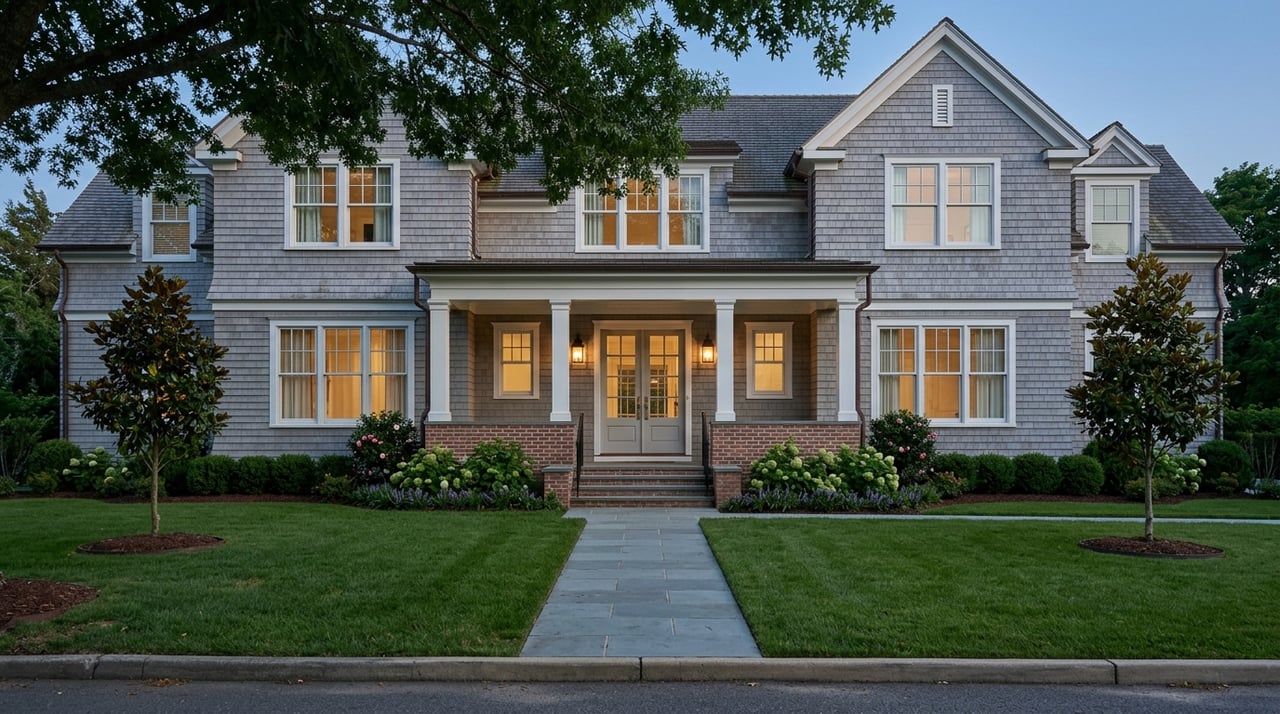
Myers Park has a distinct physical character shaped by its early twentieth-century planning history. The neighborhood is known for curving roads, planting strips, mature trees, and traditional house forms that create a park-like streetscape. According to the National Register documentation, the district includes 958 structures, with most of them being single-family homes.
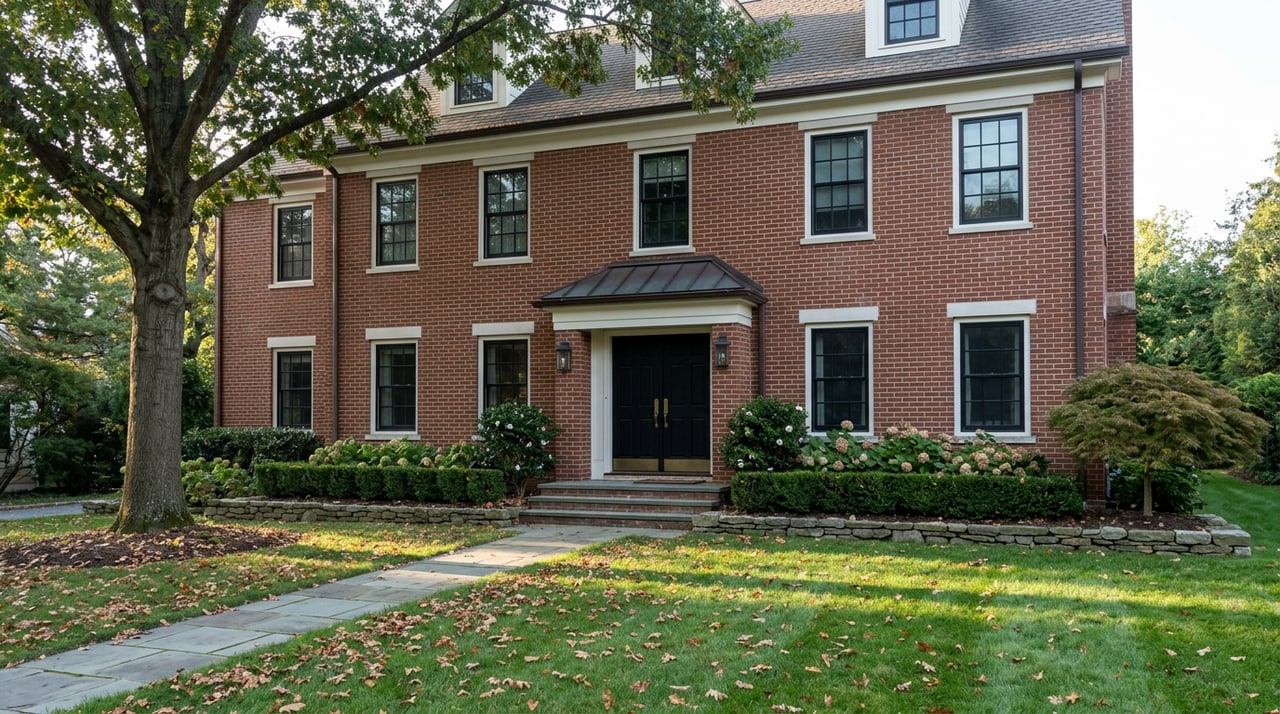
That context matters because a whole-house renovation here is often about more than the inside of your home. Exterior massing, rooflines, materials, and the way your house relates to the street can all influence design decisions. In a neighborhood with layered architectural styles such as Colonial Revival, Tudor Revival, Bungalow, and later Ranch-era infill, thoughtful planning helps your renovation feel cohesive with the existing setting.
Know the Historic District Difference
One of the most important first steps is confirming exactly where your property sits within Myers Park. The broader Myers Park Historic District is listed in the National Register of Historic Places, but Hermitage Court is a local historic district. That difference can affect the approval path for your project.
If your home is in a local historic district, Charlotte requires a Certificate of Appropriateness, or COA, before exterior work begins. The city states that exterior alterations, restoration, new construction, moving, demolition, and some site or landscaping work may require this approval. Even tree removal or site work may need early coordination with city staff.
Minor maintenance may not trigger review. For example, the city notes that in-kind reroofing generally does not require approval. But if your renovation includes larger exterior changes, it is smart to confirm the review path before design is finalized.
What Counts as a Whole-House Renovation?
Not every remodel rises to the level of a whole-house renovation. In Mecklenburg County, residential plan review applies to new construction, remodels, and additions for single-family, two-family, and townhome projects that are three stories or fewer.
The county’s review criteria give a practical sense of when a project becomes more substantial. Examples include:
- Enclosed additions of 100 square feet or more
- Adding another story or level
- ADU conversions
- Garages with living space
- Renovations over $175,000 that include structural modifications
In Myers Park, many projects cross that line when they change structure, expand the footprint, alter the roofline, or create independent living space. Once you move beyond cosmetic updates, the review process usually becomes more involved.
Zoning Shapes What You Can Build
Before you get attached to a design, you need a clear picture of your zoning and setback conditions. Charlotte states that zoning classification determines how a parcel may be used, and setbacks and yard requirements are generally tied to that classification.
This directly affects where you may be able to place additions, porches, garages, or accessory structures. The city also notes that accessory structures generally belong in side or rear yards and are not allowed in the established setback or front yard. If your renovation includes a detached garage, ADU, or expanded rear footprint, these rules should be reviewed early.
Permits Usually Involve More Than One Review
In Charlotte, permits are required for all construction activity, including building, electrical, mechanical, and plumbing work. For a whole-house renovation, that is only part of the picture.
For individual residential lots, the city requires separate review for drainage, urban forestry, and zoning. These reviews are handled through Accela and can be submitted before or at the same time as Mecklenburg County residential plan review. Once city approvals are finished, city staff release the related holds on the county permit record.
That structure matters because your project may be technically sound from a construction standpoint but still need site-related approvals before permits can move forward. Early coordination can help reduce redesign and delay.
Trees and Drainage Can Drive the Timeline
In Myers Park, mature trees are part of the neighborhood’s identity, so tree-related review is often a major part of renovation planning. Charlotte’s Urban Forestry requirements protect trees in the public right-of-way and on private property. The city’s development rules address perimeter trees, internal trees, green area, and heritage tree preservation.
The residential review checklist also flags street trees, tree save, heritage trees, drainage-system changes, and flood-risk review as common issues. If your project affects grading, driveway layout, additions, or rear yard improvements, these factors can influence both design and timing.
This is one reason whole-house renovations in established neighborhoods often benefit from a builder who understands how lot constraints and permitting intersect. A strong plan looks at the house and the site together.
When Historic Review Becomes More Intensive
If your home falls within a local historic district, the scope of your exterior work affects how the city classifies the project. Charlotte’s guidance shows that some minor projects can include fencing, driveways, and accessory buildings that are not visible from the right-of-way.
Larger changes are treated differently. Major projects can include new construction, additions that increase square footage by more than 50 percent, ADUs, and painting previously unpainted brick. If your goal is to transform the rear of the house while keeping the street-facing appearance more consistent, that distinction can become a central design strategy.
Questions to Settle Before Design Advances
The best renovations usually start with the right questions, not just the right finishes. Before plans move too far, it helps to align on a few key items with your builder and design team.
Confirm the Exact Review Path
Start by confirming whether your address is in a local historic district or subject to another special review condition. In Myers Park, neighborhood identity and formal regulation are not always the same thing. Parcel-level confirmation matters.
Review Zoning and Setbacks Early
Do not assume an addition, garage, porch, or accessory structure can go exactly where you want it. Zoning classification and setbacks shape what is possible on the lot. A quick early review can save major redesign later.
Assess Tree and Site Impacts
Look closely at tree canopy, driveway changes, grading, drainage, and any site work near the public right-of-way. These items often affect layout and approval timing. In some cases, they can influence whether a concept remains practical as drawn.
Define the True Scope
A project may begin as a remodel and grow into a full structural renovation. Once you add square footage, alter the roofline, create living space over a garage, or pursue an ADU conversion, your review and permit obligations can change.
Clarify Contractor Licensing Requirements
In North Carolina, a general contractor’s license is required when a project is valued at $40,000 or more. That threshold should be part of the conversation early, especially for substantial renovations in Myers Park where project scope can expand quickly.
A Smart Planning Sequence for Myers Park
If you want to avoid unnecessary backtracking, a simple planning sequence can help keep your project grounded.
- Confirm the property’s zoning and setback conditions.
- Verify whether the home is in a local historic district.
- Identify likely exterior, tree, and site impacts.
- Determine whether drainage or grading changes are part of the work.
- Decide whether the scope triggers Mecklenburg County residential plan review.
- Align your builder and designer around a realistic path to approvals.
This approach helps you make design decisions with real constraints in mind. It also supports a smoother experience once the permit process begins.
Why Process Matters in a Whole-House Renovation
A whole-house renovation in Myers Park is rarely just a construction project. It is a coordination project. You are balancing architecture, site conditions, regulatory review, and the practical realities of building in an established Charlotte neighborhood.
That is why process matters as much as craftsmanship. Clear early planning can protect your timeline, reduce design revisions, and help you make informed decisions about scope. When your team understands neighborhood context and approval pathways, the renovation process becomes more predictable.
If you are considering a whole-house renovation, ADU, detached garage, or a significant addition in Myers Park, a clear plan is the best place to start. Carolina Precision Builders offers a high-touch, owner-led approach to renovations and custom residential construction in Charlotte, with an emphasis on process clarity, craftsmanship, and context-sensitive execution.
FAQs
What makes a whole-house renovation in Myers Park different from a standard remodel?
- A Myers Park whole-house renovation often involves structural work, exterior design decisions, zoning review, permit coordination, and possible historic or site-related approvals in addition to interior updates.
How do you know if a Myers Park home needs historic district approval?
- You need to confirm whether the specific property is in a local historic district, such as Hermitage Court, because Charlotte requires a Certificate of Appropriateness for certain exterior and site changes in local historic districts.
What kinds of projects trigger residential plan review in Mecklenburg County?
- Mecklenburg County residential plan review applies to qualifying new construction, remodels, and additions, including enclosed additions of 100 square feet or more, added stories, ADU conversions, garages with living space, and renovations over $175,000 with structural modifications.
Why do trees matter in a Myers Park renovation project?
- Trees can affect approvals because Charlotte’s Urban Forestry rules address protected trees in the public right-of-way and on private property, including perimeter trees, internal trees, green area, and heritage tree preservation.
Can you add a detached garage or ADU during a Myers Park renovation?
- It may be possible, but the project must fit the property’s zoning and setback requirements, and in some cases historic district review may also apply depending on the exact address and scope.
When do you need a licensed general contractor for a renovation in North Carolina?
- North Carolina requires a general contractor’s license when the project value is $40,000 or more.