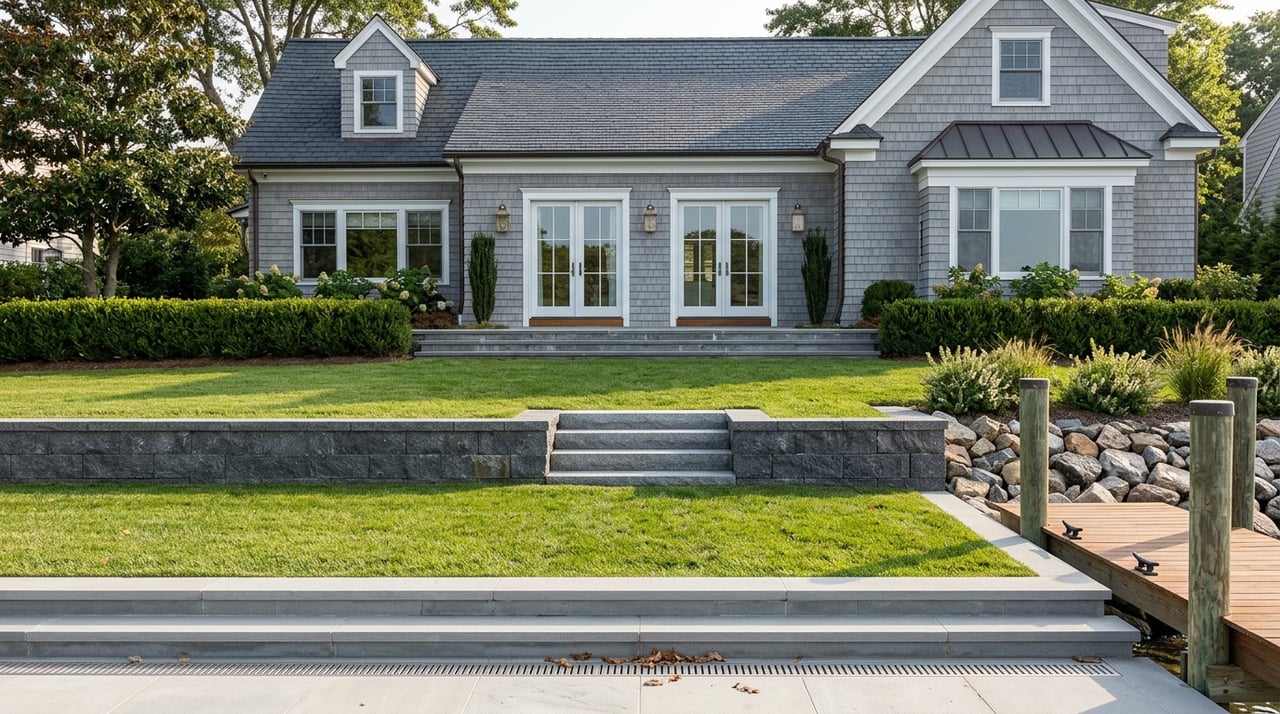
Dreaming about a custom waterfront home on Lake Norman is exciting, but the lot itself usually makes the first big decisions for you. Before you pick finishes, rooflines, or a dock layout, you need to understand what the site, the shoreline, and local approvals will allow. If you want a smoother path from concept to construction, it helps to treat the project as a planning exercise first and a design exercise second. Let’s dive in.
Why waterfront planning comes first
On the Mecklenburg side of Lake Norman, a waterfront custom home often involves several approval layers at the same time. Depending on the property and scope, that can include Duke Energy shoreline review, Mecklenburg County building and land-development permits, town zoning review, stormwater or floodplain review, and HOA approval.
That matters because each layer can affect what you can build, where you can place it, and how long the process may take. A house plan that looks perfect on paper can change quickly once setbacks, buffer limits, grading needs, or shoreline permit requirements come into focus.
For waterfront builds, this is why early due diligence is so important. It helps you avoid redesigns, delays, and costly assumptions before the project gains momentum.
What approvals often apply
Duke Energy shoreline review
If your project includes changes near the shoreline, dock work, pier updates, or shoreline stabilization, Duke Energy is often part of the process. Duke Energy states that shoreline changes on its lakes go through Lake Services and its Lake Access Permit System.
Its submission requirements can include registered surveys, plan and profile drawings, county or local building permits, and state shoreline-stabilization permits. If a contractor needs to use Duke-owned access areas, a separate access-area use permit may also be required.
Mecklenburg County permits
Mecklenburg County Code Enforcement handles building, electrical, plumbing, and mechanical permits. Mecklenburg Land Development uses Accela for plan and plat review, floodplain and erosion-control permits, as-built surveys, and bonds.
County guidance also notes that land-development plans must be approved and the site inspected before a building can be built or land can be graded. In practical terms, that means site planning is not something to leave until after the house design is fully set.
Stormwater and floodplain review
Charlotte-Mecklenburg Storm Water Services oversees countywide stormwater functions for Charlotte, Cornelius, Davidson, Huntersville, Matthews, Mint Hill, Pineville, and unincorporated Mecklenburg County. Its work includes flooding, floodplain protection, and water-quality management.
For a waterfront lot, this can shape grading, hardscape, drainage, and building placement. If part of the property falls within a floodplain or another protected area, those conditions can affect both the layout and the construction sequence.
HOA approval
Many Lake Norman communities have recorded HOA declarations or bylaws that add another review layer. Under North Carolina law, those recorded rules are enforceable by their terms.
That means even if a project clears county and shoreline review, HOA requirements may still affect exterior appearance, tree removal, rooflines, site use, screening, or water-access features. Reviewing those documents early can save time and protect the design intent.
Site constraints that shape the design
A waterfront lot can be beautiful and still be complicated. On Lake Norman, some of the most important design decisions come from slope, buffers, drainage, and access rather than from style alone.
Riparian buffer limits
North Carolina’s Catawba buffer rule applies within the Catawba Buffer Area, which includes Mecklenburg County. The rule protects a 50-foot riparian buffer along the Catawba River mainstem and mainstem lakes.
Zone 1 extends 30 feet from full pond level, and Zone 2 adds another 20 feet. Disturbance and new impervious surface are limited within that protected area, which can directly affect patios, walkways, grading, and shoreline improvements.
Slope and retaining walls
Steep lots are common along the lake, and they often need engineered retaining walls. Mecklenburg County requires a permit for a retaining wall if it supports 5 feet or more of fill.
The submittal must include sealed drawings, a site plan, and special-inspections documentation. If your lot drops sharply toward the water, retaining-wall planning may become a major part of both the budget and the schedule.
Impervious surface limits
On a waterfront property, the house is only part of the story. Driveways, roofs, patios, walkways, and other hard surfaces all count because Mecklenburg tracks impervious surface area for stormwater management.
That means outdoor living plans need to be coordinated carefully. A larger terrace or expanded driveway may have ripple effects on compliance, drainage strategy, and what remains possible elsewhere on the lot.
Vegetation and environmentally significant areas
In Cornelius, site plans must identify significant vegetation and environmentally significant areas, including areas noted on the Lake Norman Shoreline Management Plan. Construction documents also need to address items such as flood hazard areas, watershed-protection districts, wetlands, utility layouts, and landscape plans.
This is one reason why tree retention and grading decisions should happen early. The best waterfront plans balance views, access, drainage, and site protection together rather than treating them as separate choices.
How waterfront access affects planning
Many homeowners picture the dock, shoreline, and outdoor living areas as the fun part that comes later. In reality, those features should be considered from the beginning because they can shape the site plan and approval path.
Duke Energy’s shoreline process may require surveys, plan and profile drawings, local permits, and shoreline-stabilization documentation. If the property is in Cornelius and includes proposed common-access water-related structures such as a boat launch or community pier, the town requires those plans to be forwarded to the Lake Norman Marine Commission and Duke Energy for written comments before approval.
That makes water access a planning issue, not just an amenity issue. The location of the house, paths, terraces, and shoreline features should work together from day one.
A practical sequence for your project
The smoothest Lake Norman waterfront projects usually follow a clear order. When that sequence is respected, you reduce the risk of redesigns and approval-related delays.
1. Start with due diligence
Before design is finalized, confirm the current survey, title details, prior shoreline or dock permits, zoning jurisdiction, floodplain status, buffer status, and HOA documents. Duke Energy also advises property owners to contact Lake Services before changing piers, docks, or shoreline property.
This early review helps define what is feasible on the lot. It also gives your builder, architect, and designer better information before major decisions are made.
2. Coordinate the civil and site package
Next, focus on grading, drainage, utility routing, erosion control, and any retaining-wall needs. Mecklenburg requires land-development review and site inspections, and county erosion and water-quality inspectors enforce buffers along creeks and lakes for new development.
This step often shapes the final house footprint more than homeowners expect. It is much easier to refine the home once the site logic is clear.
3. Finalize the house shell
After the core site constraints are understood, the house footprint, elevation strategy, and outdoor connections can be refined with more confidence. This is where a design-friendly builder adds real value by helping the team align craftsmanship goals with site realities.
A thoughtful process protects both the design and the budget. It also helps keep your timeline realistic.
4. Plan dock and shoreline work
For many waterfront homes, dock and shoreline work comes after the main house layout is settled. That order aligns with Duke Energy’s application logic and with the way supporting documentation is typically assembled.
If shoreline stabilization or water-access features are part of your vision, they should still be discussed early, even if construction happens later. Early coordination can prevent those items from becoming the critical-path delay.
5. Finish with landscape and water-edge details
Final landscape installation and water-edge finish work usually come near the end. By then, the major grading, structural work, and shoreline approvals are better defined.
This is also when the site begins to feel cohesive. Hardscape, planting, lawn areas, and shoreline materials can then support the architecture instead of competing with construction logistics.
Questions to answer before design is locked
Before you get too attached to a floor plan, a few key questions should be resolved. These answers can materially affect what your home and site can become.
- Which zoning jurisdiction controls setbacks and building placement for the parcel?
- Is the lot inside the Catawba riparian buffer or a floodplain overlay?
- Does the property already have a Duke Energy shoreline permit, and can it be maintained or transferred?
- Will a planned retaining wall support 5 feet or more of fill?
- What do the HOA covenants say about docks, colors, tree removal, screening, and rooflines?
- If the lot is in Cornelius and includes common-access water features, have Duke Energy and the Lake Norman Marine Commission already commented?
These are not minor details. They are often the questions that determine whether a design stays on track or has to be reworked midstream.
Why builder coordination matters on Lake Norman
A waterfront custom home has more moving parts than a typical homesite. The most successful projects usually come from close coordination between the owner, builder, architect, designer, and any civil or structural consultants involved.
For a boutique builder, that coordination is part of the value. When your team is focused on process transparency, permitting discipline, and proactive communication, you are better positioned to move from concept to construction with fewer surprises.
On Lake Norman, that kind of oversight is not just convenient. It helps protect your investment, your timeline, and the integrity of the final design.
If you are planning a waterfront custom home in the Lake Norman area, a measured, site-first approach can make the entire experience more predictable. To discuss your lot, approvals, and build strategy with a hands-on local team, request a complimentary project consultation with Carolina Precision Builders.
FAQs
What approvals are usually needed for a Lake Norman waterfront custom home?
- A waterfront project on the Mecklenburg side of Lake Norman may involve Duke Energy shoreline review, Mecklenburg County permits, local zoning review, stormwater or floodplain review, and HOA approval depending on the lot and scope.
Why does the Catawba buffer matter for a Lake Norman homesite?
- The Catawba buffer rule protects a 50-foot riparian buffer along the mainstem lakes, which can limit disturbance and new impervious surface near the water.
When does a retaining wall need a permit in Mecklenburg County?
- Mecklenburg County requires a permit when a retaining wall supports 5 feet or more of fill, and the application must include sealed drawings, a site plan, and special-inspections documentation.
How does impervious surface affect a Lake Norman waterfront build?
- Hard surfaces such as driveways, roofs, patios, and walkways count toward impervious area, which can affect stormwater compliance and influence site design decisions.
Should dock planning wait until after the house is built on Lake Norman?
- Dock and shoreline construction often happens after the main house layout is settled, but those features should be discussed early because shoreline permits and site planning are closely connected.
What should you review before designing a Lake Norman waterfront home?
- You should review the survey, title details, existing shoreline permits, zoning jurisdiction, floodplain status, buffer status, and HOA documents before finalizing the design.