Planning to update a Myers Park classic? The right renovation can make your home more livable while preserving the grace that defines your block. You want comfort and function, but you also want to protect curb appeal and long-term value. This guide gives you practical design cues, approval tips, and a clear process so your project fits the neighborhood and feels like it has always belonged. Let’s dive in.
What defines Myers Park
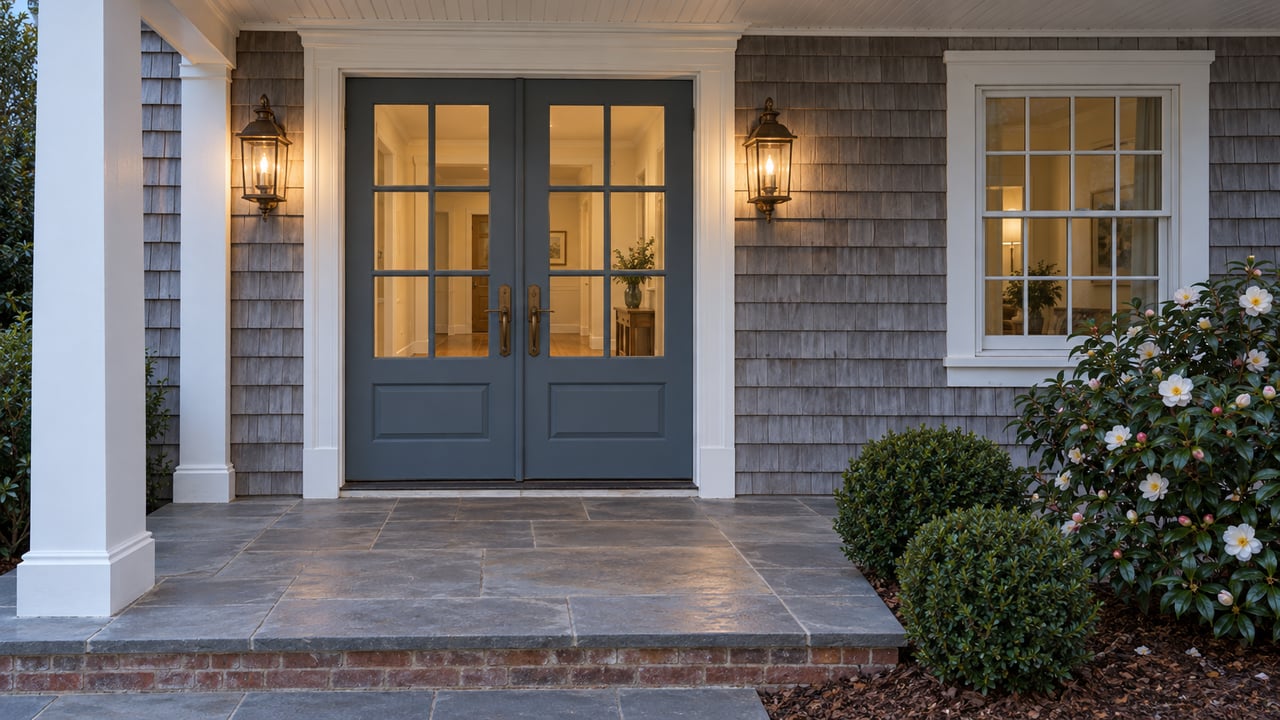
Myers Park is known for its mature tree canopy, large landscaped lots, and curving streets that create varied frontages. Homes mainly date from the 1910s through the 1950s, with Colonial and Georgian Revival, Tudor Revival, Craftsman, and Neoclassical influences. You see consistent front setbacks, formal entries, traditional window proportions, and porches that feel inviting yet dignified. Sidewalks, narrow driveway openings, low stone walls or hedges, and layered planting reinforce a calm, unified streetscape.
Historic status and approvals
Parts of Myers Park are recognized for historic significance. Before design, confirm whether your property is in a National Register district or inside a locally designated historic district or overlay. National Register status is informational, while local districts or overlays can require design review and approval for exterior changes.
Expect local permitting and design review to cover demolition, visible additions, new construction, and sometimes landscape or driveway changes. You should also check City of Charlotte planning and zoning rules for setbacks, lot coverage, and yard requirements. Building permits apply to structural changes and additions, and tree protection rules may affect work around the canopy. Some parcels include easements, deed restrictions, or neighborhood covenants, so verify those early.
Recommended first step: confirm historic status and review requirements with City of Charlotte Planning or Historic Review staff, check Mecklenburg County property records, and consult your neighborhood association.
Style cues by house type
When you add or update, reference your home’s original vocabulary so new work feels compatible and authentic.
Colonial and Georgian Revival
These homes have symmetrical façades, a central entry with a classical surround, and hipped or side-gabled roofs with moderate pitch. Expect multi-pane double-hung windows, often 6 over 6 or 9 over 9, with painted trim. Use brick or wood siding and maintain vertical window proportions and even spacing.
Tudor Revival
Tudor homes feature steep front gables, decorative half-timbering, and tall chimneys that may include decorative pots. Windows are often casement or grouped, sometimes with small panes or leaded glass. Brick and stucco combinations are common, and roof pitches are noticeably steep.
Craftsman and Bungalow influences
Look for low-pitched gable roofs with wide eaves and exposed rafters. Porches are substantial, with tapered columns on masonry piers. Wood siding or shingles and an emphasis on natural materials give these homes a warm, grounded look.
Neoclassical and period revival elements
You may see full or partial-width porches with classical columns and formal composition. Details like dentil cornices and pilasters can be part of the trim package. Keep porches and entry features scaled to the original architecture.
Additions that fit the block
Aim for work that is compatible, differentiated, and subordinate. That means matching scale, rhythm, and materials without copying every detail, and keeping additions clearly secondary to the original house.
- Location: Rear additions are preferred because they are not visible from the street. Side additions should step back behind the primary façade plane. Second-floor additions can work if the new roofline reads as lower and secondary.
- Size and massing: Keep new ridge heights lower than the original main ridge when possible. Align or relate cornice heights for continuity, or step the addition down to read as secondary. Break large volumes into smaller parts and keep the addition narrower than the main block.
- Roofs and eaves: Echo the existing roof pitch. A change of more than about 20 percent will stand out. Match or relate eave and cornice profiles so the addition feels visually connected.
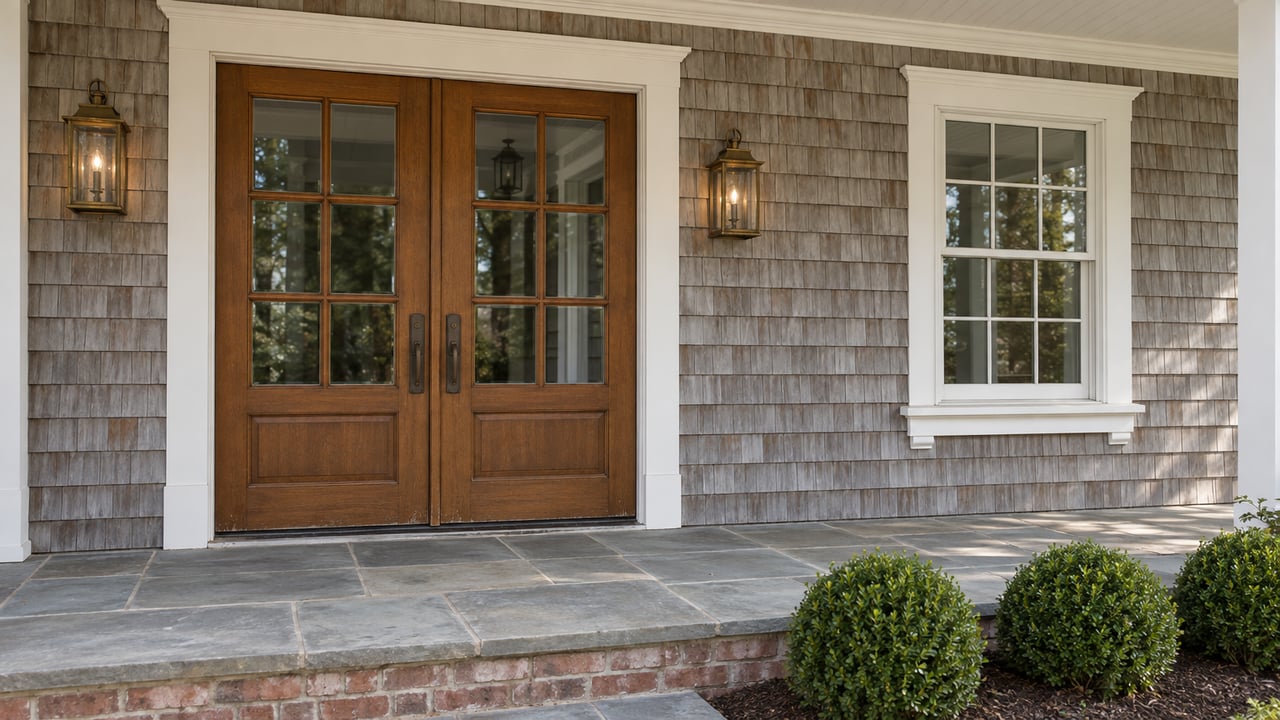
- Windows and doors: Maintain vertical window proportions and align head and sill heights with the original. If you use simulated divided lights, select profiles that mimic the depth and sightlines of true divided lights. Preserve defining entry surrounds and match door proportions and hardware scale.
Materials and colors that belong
Use the neighborhood’s material hierarchy to your advantage. Brick and stone foundations and chimneys are typical, with brick or painted wood siding on primary façades. Additions can be slightly simpler, but should remain compatible in texture and scale.
Avoid large expanses of synthetic materials like wide vinyl siding or untextured EIFS on street-facing elevations. If you are matching masonry, pay attention to mortar color, coursing, and brick size so the addition reads as a natural extension. For roofing, architectural asphalt shingles that read like slate or shake are common replacements, and composite slate can be considered where budget allows.
Historically appropriate palettes lean toward subdued neutrals and muted earth tones, with trim usually lighter than the field color. Keep sheen and color contrast restrained so details feel crisp but not stark.
Porches, garages, and site design
Porches define many Myers Park homes. Maintain original depth and column proportions. If you need more enclosure, consider reversible solutions like full screening or glazing that preserve the porch form. Avoid removing or heavily altering porch supports and balustrades without a strong design reason.
Garages work best as detached or side-set structures located toward the rear. If you must attach, set the garage back from the main façade and keep doors visually subordinate with smaller bays and carriage-style detailing. Avoid expanding driveways in the front yard, which disrupts tree lawns and curb rhythm.
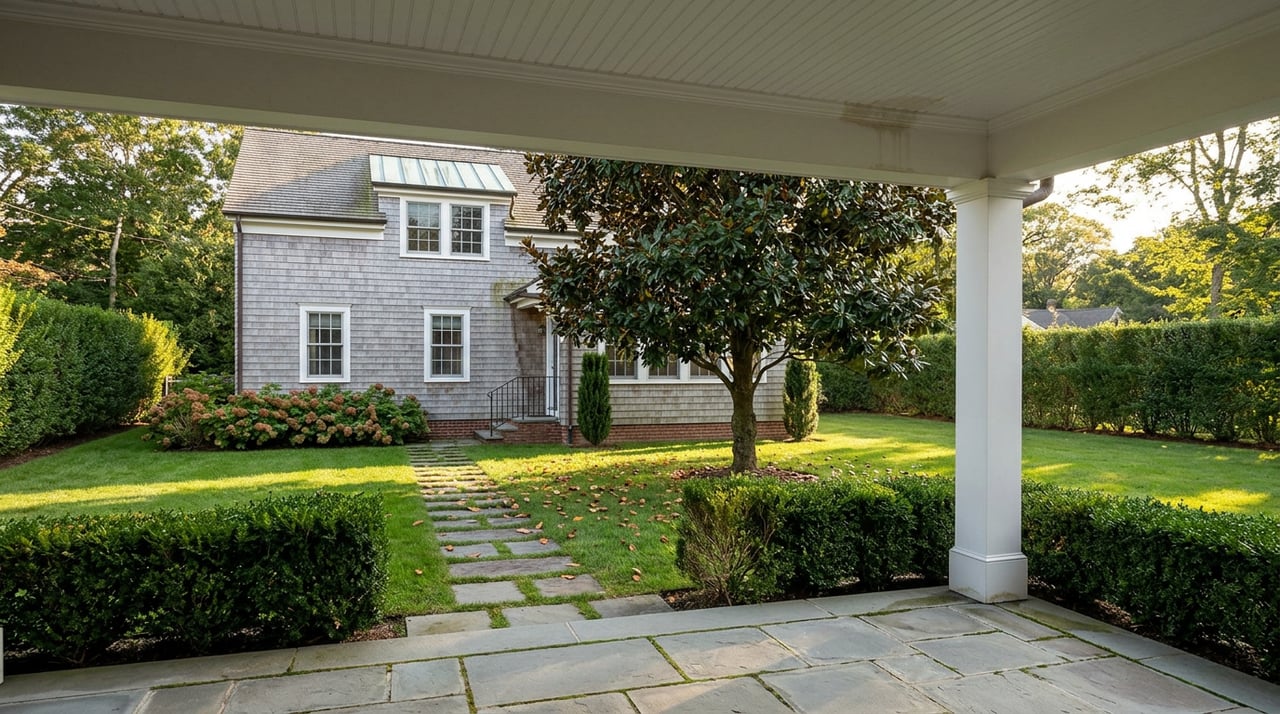
Front yards usually pair an informal lawn with layered planting and mature trees. Preserve the canopy wherever possible and protect roots during construction. Low masonry walls or hedges at edges are part of the neighborhood language and can help define the street edge.
Landscape and tree protection
Tree canopy is a signature of Myers Park. Protect mature trees with fencing at the root zone during all phases of construction. Maintain original grade relationships when you can, and avoid major regrading that changes perceived foundation height or drainage patterns.
For walks and drives, use permeable solutions like crushed stone, permeable pavers, or brick and stone that fit the historic palette. Layer shrubs and foundation planting, but avoid blocking the lower part of the façade or trapping moisture at the foundation.
Modern systems, discreetly done
Place HVAC condensers, heat pumps, and meters at side or rear locations and screen them from public view. If you are considering solar, consult applicable guidelines and choose roof faces with minimal street visibility, often at the rear. Many efficiency upgrades can be done quietly, such as interior insulation work, storm windows with compatible sightlines, and improved roof underlayment that does not alter the exterior.
Your step-by-step plan
Follow this sequence to reduce risk and keep momentum.
Research and due diligence
- Confirm historic status and local review requirements with City of Charlotte staff.
- Check Mecklenburg County records for deed restrictions, covenants, and easements.
- Review property surveys and any original plans or assessor records.
- Photograph all elevations, approaches, and streetscape context. Document materials, trim profiles, window types, and landscape features.
Assemble the right team
- Architect or designer experienced with older homes and local historic contexts.
- Structural engineer for foundations, underpinning, or larger additions.
- Contractor with period-house experience and preservation techniques.
- Arborist to evaluate and protect specimen trees.
- Landscape architect or designer for front yard and streetscape-sensitive work.
- If applicable, contact historic review staff early for feedback.
Permits and approvals
- Building permit with drawings that show code compliance for structure, egress, and mechanical systems.
- Zoning review for setbacks, height, lot coverage, and any driveway or curb cut changes.
- Historic district design review application if required. Submit early for guidance and adjustments.
- Tree protection permits or plans if required by local ordinance.
Budgeting and phasing
- Expect higher costs for historic material work like custom millwork, masonry repointing, and true divided light windows.
- Consider phasing: stabilize the envelope and roof first, then move to interiors and site work.
- Get multiple estimates and include contingencies for hidden conditions common in older structures.
Documentation and maintenance
- Keep records of original conditions, drawings, materials, and warranties.
- Plan maintenance cycles for paint, roof inspections, chimney repointing, and tree pruning to protect your investment.
Common pitfalls to avoid
- Oversized front additions or street-facing expansions that break the established setback rhythm.
- Incompatible materials and finishes that lack texture or scale, such as wide vinyl or untextured synthetic panels on primary elevations.
- Replacing tall, narrow windows with shorter, wider units that disrupt façade rhythm.
- Removing or enclosing porches without preserving their architectural form or using reversible solutions.
- Front-dominant garage doors and driveway expansions that interrupt the streetscape.
Value takeaways for Myers Park
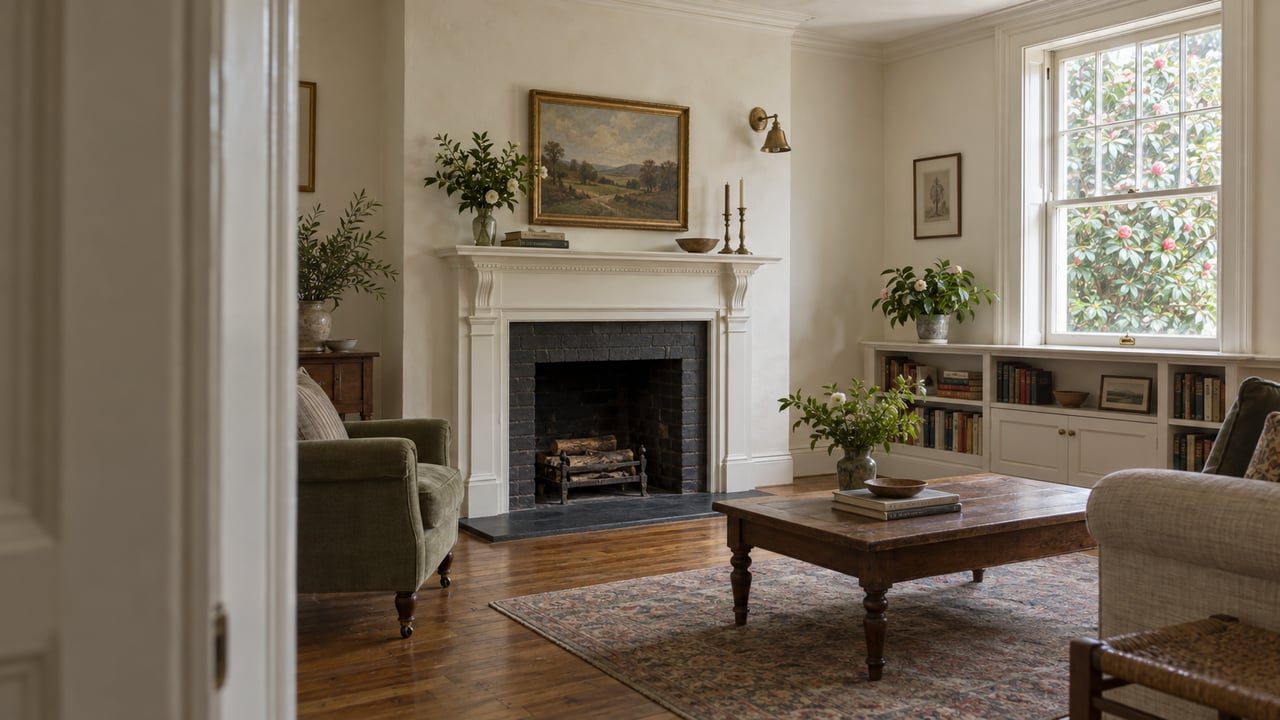
Well-designed, context-sensitive renovations tend to protect or enhance value because they keep curb appeal aligned with neighborhood character. Unsympathetic alterations can reduce marketability, since buyers often expect homes here to fit the block’s established feel. Invest in durable, visually compatible materials like masonry, wood trim, high-quality windows, and roofing. Retain character-defining features such as original windows, porch columns, chimneys, and distinctive interior elements where applicable. If you must replace, match scale, profile, and sightlines, and favor reversible interventions when possible.
Work with a builder invested in context
You deserve a builder who respects Myers Park’s character and manages the details that matter, from approvals to craftsmanship. Carolina Precision Builders is a boutique, owner-led team with a decade of local experience, a documented process, and a service range that includes high-value renovations, additions, ADUs, detached garages, and aging-in-place upgrades. We collaborate closely with architects and designers and emphasize clear communication and accountable project management. Ready to plan a renovation that fits your home and your block? Connect with Carolina Precision Builders to request a complimentary project consultation.
FAQs
What permits or reviews apply to Myers Park exterior changes?
- It depends on location and scope. Confirm whether you are in a local historic district or overlay that requires design review, and plan for zoning and building permits plus any tree protection requirements.
How big can my addition be without hurting curb appeal?
- Keep additions subordinate by lowering ridge heights relative to the main roof, setting them back from the primary façade, narrowing widths, and breaking mass into smaller volumes.
Which window types work for historic homes in Myers Park?
- Maintain vertical proportions and align head and sill heights. Use true or simulated divided lights with profiles that match the depth and sightlines of the original windows.
Where should I place a new garage on my lot?
- Prefer detached or side-set garages located toward the rear. If attached, set the garage back from the main façade and keep doors visually subordinate with smaller bays.
How do I integrate solar or HVAC without harming the look?
- Place mechanical equipment at side or rear locations and screen it from view. Position solar panels on rear roof faces or spots with minimal street visibility and consult applicable guidelines.